Who Was Shiphrah in the Bible?
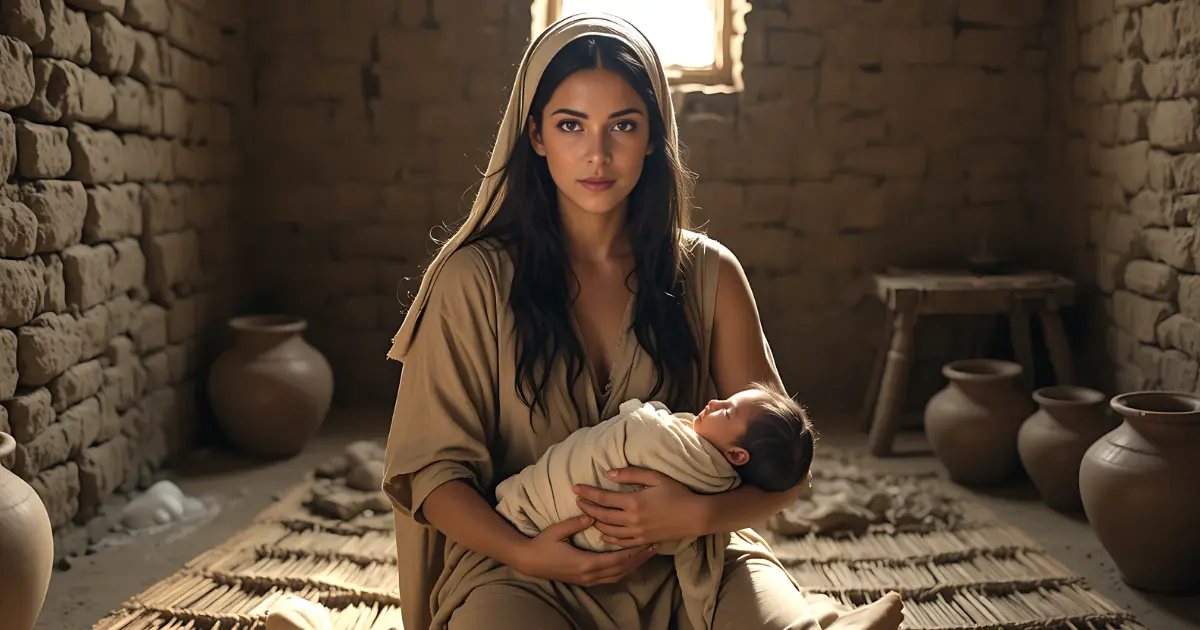
Shiphrah in the Bible was a Hebrew midwife mentioned in Exodus 1. The Pharaoh ordered her and Puah to kill Hebrew baby boys during Israel’s slavery in Egypt. Instead, Shiphrah and Puah in the Bible feared God, refused Pharaoh’s command, and protected Israelite children, helping preserve the future nation of Israel and the line through which Moses would later rise.
If you have ever wondered, “Who was Shiphrah in the Bible?” Her story appears during one of the darkest moments in Israel’s history. The Israelites were multiplying in Egypt, and Pharaoh became afraid of their growing population and strength. To stop them, he ordered the Hebrew midwives to kill every newborn Hebrew boy as soon as he was born.
But Shiphrah chose obedience to God over obedience to a king.
Her account may be short, yet her courage changed the course of biblical history. Without the faithfulness of these women in Scripture, many Hebrew children, including the generation that produced Moses, would have faced threats to their survival. That is why Shiphrah remains one of the quiet heroes on every serious list of women in the Bible.
Her story reminds modern believers that God often uses ordinary people, especially faithful women, to protect life, stand against evil, and advance His purposes, even in dangerous times.
Quick Facts About Shiphrah
Shiphrah in the Bible was one of the Hebrew midwives in Exodus 1 who refused Pharaoh’s command to kill newborn Hebrew boys. She, like Puah, feared God and helped to defend Israelite children from Egyptian oppression. Her courage became part of God’s plan to protect His people before Moses was born.
Shiphrah Quick Facts Table
| Fact | Details |
|---|---|
| Name | Shiphrah |
| Meaning of Name | Often understood as “beautiful,” “fair,” or “pleasing” |
| Bible Passage | Exodus 1:15 to 21 |
| Role | Hebrew midwife |
| Time Period | During Israel’s slavery in Egypt before Moses’ birth |
| Connected Figures | Puah, Pharaoh, Moses, Jochebed, Miriam |
| Main Action | Refused Pharaoh’s order to kill Hebrew baby boys |
| Known For | Courage, fear of God, protecting life |
| Spiritual Theme | Obedience to God over human authority |
| Nation | Likely Hebrew or connected to the Hebrew people |
| Major Bible Event | Preservation of Israel during Egyptian oppression |
| Reward From God | God blessed the midwives and gave them families |
| Number of Mentions | Mentioned in Exodus 1 |
| Companion Figure | Puah |
| Historical Importance | Helped preserve the Hebrew people before the Exodus |
| Key Lesson | God can use ordinary women to protect His people |
Important Bible Verses About Shiphrah
Exodus 1:15 to 17 (NIV)
"The king of Egypt said to the Hebrew midwives, whose names were Shiphrah and Puah... when you are helping the Hebrew women during childbirth... if it is a boy, kill him." The midwives, however, feared God and did not do what the king of Egypt had told them to do."
These verses show the heart of Shiphrah’s story. Pharaoh held political power, but the midwives honored God above human authority. Their quiet bravery protected innocent lives during a time of fear and oppression.
Exodus 1:20 to 21 (NIV)
"So God was kind to the midwives, and the people increased and became even more numerous. And because the midwives feared God, he gave them families of their own."
God saw the women’s faithfulness. Shiphrah and Puah were not military leaders or queens, yet their obedience mattered deeply to Him.
Main Themes in Shiphrah’s Story
- Courage under pressure
- Fear of God
- Protecting innocent life
- Faith during oppression
- Women used by God
- Quiet leadership
- Obedience over Fear
- Preservation of God’s people
Why Shiphrah Matters in the Bible
Shiphrah’s story may be brief, but its impact reaches across the entire Exodus narrative. By refusing Pharaoh’s evil command, she helped preserve the future nation of Israel. She became part of the chain of events that led to Moses’ survival and Israel’s deliverance from Egypt.
Her story also connects naturally with other faithful women in Scripture, such as Zipporah, Salome, Sarah, and Tabitha, women whose faith and actions quietly shaped biblical history.
Where Is Shiphrah Mentioned in the Bible?
If you are wondering where Shiphrah is found in the Bible, her story appears in one key passage: Exodus 1:15-21. Although her name is mentioned only briefly, her actions played a major role in the preservation of Israel during a dangerous time in Egypt. Among the many Women of the Bible, Shiphrah stands out as a quiet but courageous protector of God’s covenant people.
The Main Passage About Shiphrah
The central passage about Shiphrah is found in Exodus 1:15-21. In these verses, Pharaoh ordered the Hebrew midwives in the Bible to kill every newborn Hebrew boy at birth. He was afraid of the increasing population of Israel and intended to weaken the Hebrew people before they could become strong.
The Bible verse about Shiphrah and Puah explains that the midwives “feared God” and refused to obey the king. Instead of carrying out Pharaoh’s command, they protected the Hebrew babies and allowed them to live. This act of courage became part of God’s plan for Israel’s future deliverance.
Why Shiphrah Appears Only Briefly but Matters Deeply
Shiphrah is mentioned only in this section of Exodus, yet her impact reaches far beyond a few verses. Without the faithfulness of these midwives, the survival of many Hebrew children, including the generation connected to Moses, would have been at risk.
Her story reminds readers that God often works through hidden acts of obedience. Many female Bible characters are remembered for public leadership, but Shiphrah demonstrated her strength in a private moment of moral courage. Like Ruth, Rebekah, Susanna, Zilpah, and Rachel, she helped shape the larger story of God’s people through her faithfulness.
The Historical Background Behind Shiphrah’s Story
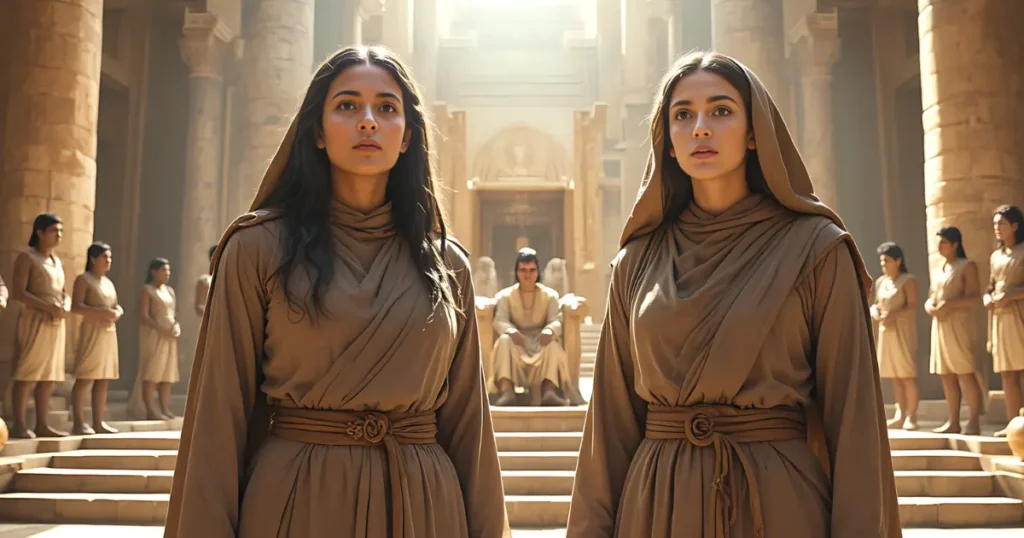
To fully understand Shiphrah in the Bible, it helps to understand the fear, oppression, and political tension surrounding Israel in Egypt. Her story did not happen during peaceful times. It unfolded during a period of rapid growth for the Hebrew people, and Pharaoh saw them as a threat to his kingdom. This history sets the stage for one of the most powerful acts of courage among the women of the Bible.
Why Pharaoh Feared Israel’s Growing Population
The book of Exodus explains that the Israelites multiplied greatly while living in Egypt. What began as a small family during Joseph’s time had become a large people group. Pharaoh feared the Hebrews might become too numerous and join his enemies in war. These growing fears of a pharaoh’s oppression pushed him to place the Israelites under harsh control.
The Egyptians forced the Hebrews into slavery and hard labor, hoping oppression would slow their growth. Yet the people continued to increase. This period of severe suffering became a major part of the Exodus narrative and set the stage for God’s future deliverance of Israel.
The Israelites’ experience in Egypt also explains why the courage of Shiphrah and Puah mattered so deeply. Their action shielded youngsters in need during a national catastrophe for God’s covenant people. The historical background of ancient Egypt and its political structure can also be explored in the Encyclopedia Britannica article “Egypt History.”
Childbirth and Midwives in Ancient Egypt
The role of midwives carried great responsibility in the ancient world. During difficult and dangerous births, midwives helped mothers survive labor and cared for newborn children. Often, they were trusted women within the community.
Understanding the ancient Egyptian midwives’ Bible context helps readers see why Shiphrah’s position mattered. Midwives were at the very beginning of existence. They saw moments of joy, terror, anguish, and vulnerability. The Exodus childbirth practices mentioned in Exodus show how Pharaoh attempted to control the Hebrew population through childbirth itself.
This makes Shiphrah’s actions even more meaningful. She used her role to protect life rather than destroy it.
Why Defying Pharaoh Was So Dangerous
In ancient Egypt, the Pharaoh was viewed as the highest political authority in the land. His refusal may result in severe punishment or death. That is what makes Shiphrah and Puah such strong examples of women resisting evil in the Bible.
These women were not warriors or rulers. They were ordinary servants placed under enormous pressure. Yet they feared God more than they feared a king. Their quiet courage became an act of faith during one of the darkest seasons of Hebrew slavery in Egypt.
Their story stands beside the faithfulness of women like Phoebe, Priscilla, Naomi, and Mary of Bethany, whose obedience shaped biblical history in lasting ways.
Shiphrah and Puah: The Midwives Who Defied Pharaoh
In the Bible, Shiphrah and Puah are remembered for one courageous decision that helped protect the future of Israel. These Hebrew midwives stood against Pharaoh during a time of oppression in Egypt and chose faithfulness to God over obedience to an unjust command. Their story in Exodus 1 shows how ordinary women can become powerful examples of courage, wisdom, and quiet resistance.
Many readers ask, “Who are Shiphrah and Puah in the Bible?” They were midwives serving the Hebrew people during Israel’s slavery in Egypt. Their Scripture time is short, yet what they did saved the lives of numerous Hebrew children in a perilous time in biblical history. Among the many examples of faithful women in Scripture, their account stands out for their protection of innocent life amid fear and political pressure.
Pharaoh’s Command to Kill Hebrew Baby Boys
The story of Shiphrah and Puah in Exodus 1 begins with Pharaoh’s growing fear of the Hebrew population. The Israelites were multiplying, and Pharaoh feared they could pose a political threat despite their hard servitude.
This fear led him to issue a shocking command.
Many readers ask, “What did Pharaoh command Shiphrah to do?” He ordered the Hebrew midwives to kill every Hebrew baby boy during childbirth while allowing the girls to live. Pharaoh wanted to weaken Israel’s future strength by killing the male children before they grew up to become leaders or fighters.
This was not simply population control. It was an attack against the survival of God’s covenant people.
Why Shiphrah and Puah Refused Pharaoh
A key question in this story is, why did Shiphrah disobey Pharaoh? Exodus gives a simple but powerful answer: the midwives feared God.
They understood that protecting life mattered more than obeying a sinful order. Their actions became an early biblical example of obeying God rather than man and demonstrated remarkable moral courage under pressure.
This form of biblical civil disobedience was not driven by rebellion or pride. It sprang from a love of God and a concern for the weak and defenseless children. Shiphrah and Puah chose righteousness even at the cost of their lives.
Their courage reflects the same kind of faith later seen in women like Esther and Rahab, women who acted boldly during dangerous times to protect God’s people.
For additional background and interpretation, many readers also consult the explanation in the GotQuestions article on Shiphrah and Puah.
The Midwives’ Response to Pharaoh
When Pharaoh realized the Hebrew boys were still alive, he questioned the midwives. Shiphrah and Puah answered wisely, explaining that Hebrew women gave birth quickly before the midwives arrived.
Their response protected the mothers and children while avoiding direct cooperation with evil. Scripture does not focus on political strategy here. Instead, it highlights the women’s fear of God and commitment to protecting innocent life.
Like Miriam, Martha, Mary Magdalene, and Mary, Sapphira and Puah remind readers that faithful women often shaped biblical history through courage, wisdom, and obedience in difficult moments.
What Does the Name Shiphrah Mean?
Many readers studying the Women of the Bible ask, “What does ‘Shiphrah’ mean in the Bible?” While scholars cannot be entirely certain, the name Shiphrah is commonly associated with qualities such as “beautiful,” “fair,” or “pleasing.” Her name appears in Exodus 1 during the account of the Hebrew midwives who protected Israelite children from Pharaoh’s command.
Understanding the meaning of the name “Shiprah” in Bible studies can add another layer to her story. The Bible itself doesn’t tell us her name, but many believers note the contrast between Pharaoh’s harshness and Shiphrah’s life-saving mercy.
The Possible Hebrew Meaning of Shiphrah
The meaning of “Shiphrah” in the Bible is usually associated with the Hebrew language. Some scholars associate the name with beauty, benevolence, or something rendered beautiful and appealing. Resources that study biblical names, such as Behind the Name, also point to these meanings.
At the same time, careful Bible study reminds us not to force symbolism beyond what Scripture clearly says. The Bible never explains why Shiphrah was given this name. Still, her actions reflected courage, compassion, and reverence for God.
Why Biblical Names Often Matter
In many parts of Scripture, names carry deep meaning. Biblical names often reflect identity, purpose, family history, or spiritual significance. That’s why readers often look up the meanings of names in Scripture.
Shiphrah’s story fits this larger pattern. Her account is short, yet her faithfulness left a lasting mark on Israel’s history. Like Lydia, Leah, Jezebel, and Jael, she is remembered for her role in God’s story.

Why Did Shiphrah Fear God Instead of Pharaoh?
One of the most important questions in this story is why the Hebrew midwives fear God rather than obey Pharaoh. Exodus 1 repeatedly points to this truth: Shiphrah and Puah feared God more than they feared human authority. Their courage became one of the clearest examples of faith under pressure in many of the Bible’s stories about women.
The Bible does not describe them as powerful women with social influence. They were simple midwives under a tyrannical regime. Yet their quiet faithfulness protected innocent lives and helped preserve God’s people during a dangerous time in history.
What the Fear of God Means in Scripture
The fear of God in the Bible does not simply mean terror or panic. In Scripture, it frequently means great respect, trust, loyalty, and obedience to God. Shiphrah and Puah understood that God’s authority was greater than Pharaoh’s command.
Their fear of God shaped their choices. They honored God’s perspective on life and would not engage in wickedness, even at personal cost. This kind of reverence leads people to obey God with courage and humility.
Many Christian teachers describe the fear of God as a healthy awe that moves believers toward faithful living. Helpful theological insight on this subject can also be found through the Desiring God article on fearing God.
Choosing God’s Authority Over Human Power
The story of Shiphrah and Puah shows what it means to choose obedience over fear. The Pharaoh represented political power, national authority, and the potential for punishment. But the midwives chose righteousness instead.
This story is one of the strongest biblical instances of courage in the OT. Their actions show how Shiphrah obeyed God in a practical and costly way. She protected life, resisted evil, and trusted God under pressure.
Like Deborah and Jael, these women acted on moral conviction in difficult situations. Their strength did not come from physical power but from faith.
Why This Story Still Matters for Christians Today
Modern believers still face moments that require courage, honesty, and conviction. Shiphrah’s story reminds Christians that standing for God may sometimes involve pressure, criticism, or personal risk.
Her example encourages believers to practice quiet faithfulness, trust God in difficult situations, and protect what is right even when culture pushes in the opposite direction. Like Hannah, Hagar, Eve, and Elizabeth, Shiphrah reminds readers that God often works through ordinary women who remain faithful in hard seasons.
How Did God Bless Shiphrah and Puah?
Many readers ask, “How did God bless Shiphrah and Puah after they refused Pharaoh’s command? Exodus 1 gives a beautiful answer. God saw their courage, honored their obedience, and responded with kindness. Their story, throughout the Women of the Bible, reminds readers that faithfulness to God never goes unnoticed, even when acts of obedience occur quietly and out of public attention.
God Rewarded Their Courage and Obedience
Exodus 1:20 says, “So God was kind to the midwives, and the people increased and became even more numerous.” This verse directly answers the question, “How did God reward the Hebrew midwives?”
Their regard for God and their willingness to defend innocent life were tied to God’s blessing. Shiphrah and Puah acted with courage during a dangerous time, and God dealt well with them because of their faithfulness.
Their story shows an important biblical pattern. God rewards obedience, especially when people choose to do the right thing under hardship. Helpful commentary on this text can also be found at Enduring Word Exodus Commentaries.
What Does “God Gave Them Families” Mean?
Exodus 1:21 says, "Because the midwives feared God, he gave them families of their own."
Scholars have discussed this phrase in different ways. Some believe it means God blessed Shiphrah and Puah with households, children, and lasting family lines. Others interpret it more broadly as stability, protection, and honor within a community.
Either way, the passage clearly connects God’s blessing with their obedience and faithfulness. This blessing holds great significance in the story of life, birth, and Israel’s preservation. God blessed the women who protected Hebrew families.
Like Delilah, Bilhah, Shiphrah, and Puah remain part of the larger story of God’s covenant preservation through faithful women.
Did Shiphrah Help Save Moses and Preserve Israel?
Many readers ask, “Did Shiphrah help save Moses even though Scripture never says she directly delivered him?” While the Bible does not name Shiphrah as Moses’ mother, her actions clearly helped create the conditions that enabled Hebrew children, including Moses’ generation, to survive. Her fortitude was part of God’s bigger plan to preserve Israel and deliver His people in the future.
Among the many examples of faithful women in Scripture, Shiphrah stands near the beginning of a powerful chain of women who protected life during one of Israel’s darkest moments.
How the Midwives Helped Preserve Israel’s Future
The actions of Shiphrah and Puah protected countless Hebrew baby boys from Pharaoh’s deadly order. In their unwillingness to follow the king, they helped to save future generations of the covenant people.
This narrative explains how Shiphrah helped save Israel. By protecting vulnerable children, the midwives helped prevent Pharaoh from weakening Israel’s future strength and leadership. Their silent submission was part of God’s task of national deliverance.
The story also reveals an important truth about God’s protection of Israel. God often works through ordinary people who choose courage over fear. Shiphrah and Puah became early examples of women who protected life in the Bible, standing against evil during a time of oppression.
The Connection Between Shiphrah and Moses’ Story
Moses was born during the same season of fear and violence described in Exodus 1. Pharaoh’s attempt to destroy Hebrew boys formed the backdrop for Moses’ birth story in Exodus 2.
This event creates a strong connection between Shiphrah and Moses. The bravery of the midwives paved the way for other dedicated women, such as Jochebed and Miriam, to continue defending Hebrew children.
Together, these women formed a chain of faithfulness that shaped Israel’s future. The story moves from the midwives’ bravery to Moses’ protection by his mother and sister, showing how God repeatedly used women to preserve His people.
Readers who enjoy stories of courageous women in Scripture may also appreciate the faithfulness of Bathsheba, Abigail, Abishag, and Anna.
What Can We Learn From Shiphrah’s Life?
Many readers ask, “What can we learn from Shiphrah and Puah today?” Their story may be short, but it carries deep lessons about courage, obedience, faith, and moral conviction. This story of the Hebrew midwives is a reminder that as believers, God often employs regular people who quietly do the right thing in tough times.
The lessons from Shiphrah in the Bible still speak clearly to Christians facing pressure, fear, or uncertainty in the modern world.
God Uses Ordinary People for Extraordinary Purposes
Shiphrah and Puah were not queens, prophets, or military leaders. They were just women who attended to families during childbirth. Yet God used their faithfulness to help preserve the future nation of Israel.
Their story reminds readers that many of the Bible’s hidden heroes lived quiet lives but played important roles in God’s plan. The people God uses most strongly are sometimes the ones the world seldom notices.
This truth encourages modern believers who feel unseen or unimportant. God still operates in the ordinary actions of obedience.
Courage Often Happens Quietly
When people think about bravery, they often picture public victories or dramatic moments. But Shiphrah’s courage unfolded quietly behind closed doors during dangerous childbirth.
She did not lead an army or stand on a platform. Instead, she just refused to partake in wickedness. Her story shows why she remains one of the most inspiring, courageous women in the Bible.
Many acts of faithfulness happen quietly through honesty, compassion, integrity, and the protection of others when no one is watching.
Obedience to God Can Protect Others
One reason Shiphrah’s story matters so much is that her obedience helped save lives. She feared God, not Pharaoh, and, in so doing, saved vulnerable children and helped secure Israel’s future.
This account remains one of the clearest examples of how women used by God can influence generations through faithful choices. Obedience is not always easy, but Scripture often shows that courageous faith protects and blesses others.
Women Played a Powerful Role in Exodus
The Exodus story repeatedly highlights the importance of faithful women. From Shiphrah and Puah to Jochebed and Miriam, women preserved life and helped preserve God’s covenant people.
These accounts challenge readers to recognize the important role of female leaders in the Bible and the enduring influence of faithful women throughout Scripture. Readers exploring the larger theme of women in Scripture may also enjoy learning about Apphia, Abital, Ahinoam, and Adah.
Shiphrah Compared to Other Brave Women in Scripture
The story of Shiphrah connects naturally with many other brave women in the Bible whose faith and courage protected God’s people during dangerous moments. Across Scripture, God repeatedly worked through women who acted with wisdom, compassion, and bold obedience under pressure. These accounts continue to shape readers’ understanding of faithfulness and moral courage in the Bible.
Shiphrah and Jochebed
Shiphrah and Jochebed both played important roles in preserving Hebrew children during Egypt’s oppression. Shiphrah defied Pharaoh’s order to save newborn boys, and Jochebed valiantly concealed baby Moses to save his life.
Together, their stories show how ordinary women became part of God’s plan for Israel’s deliverance. Both ladies were quiet in their actions, yet their faithfulness changed a nation.
Shiphrah and Esther
Like Esther, Shiphrah faced a situation where obedience to God carried real personal risk. Esther spoke up to protect the Jewish people from destruction, while Shiphrah protected Hebrew babies during Pharaoh’s violent rule.
Both women remind readers that courage is often associated with protecting others in times of fear and oppression. Their stories continue to be significant examples in the greater story of the women of the Bible.
Shiphrah and Rahab
Rahab and Shiphrah both chose faith over fear during dangerous political situations. Rahab protected the Israelite spies in Jericho, while Shiphrah protected Hebrew children in Egypt.
Neither woman held public authority, yet both demonstrated deep trust in God through their actions. Their stories show how courage and dedication may influence the course of history.
Readers exploring lesser-known women in Scripture may also enjoy learning about Atarah and Athaliah.
Frequently Asked Questions About Shiphrah
Q1: Was Shiphrah Hebrew or Egyptian?
The Bible does not clearly state whether Shiphrah was Hebrew or Egyptian. Many academics think she was probably Hebrew because Exodus portrays her as one of the Hebrew midwives. Others assume she was an Egyptian woman serving the Hebrews. So when readers ask whether Shiphrah and Puah were Egyptian or Hebrew, the honest answer is that Scripture does not fully confirm their ethnicity.
Q2: Why Are Shiphrah and Puah Important in Biblical History?
Many readers ask, why are Shiphrah and Puah important in the Bible? Their courage helped preserve the Hebrew people during Pharaoh’s oppression in Egypt. They were part of God’s plan to shield Hebrew infant males for Israel’s eventual rescue. Their story is also a strong example of covenant preservation through women and faithful obedience under pressure.
Q3: Why Does the Bible Remember Shiphrah by Name?
The Bible mentions many kings and rulers without much honor, yet it specifically remembers Shiphrah and Puah by name because of their faithfulness. Their narrative reminds us of the importance of secret women heroes in migration, who safeguarded life in perilous times without making a sound. Shiphrah remains one of the clearest examples of faithful women in Scripture whose obedience shaped biblical history.
Final Thoughts on Shiphrah’s Faith
The story of Shiphrah in the Bible reminds readers that some of the most important acts of faith happen quietly. She wasn’t a queen, or a prophet, or a military leader. She was a midwife who chose the fear of God over the fear of Pharaoh, and that single decision helped protect Israel’s future.
Her account stands as one of the clearest examples of how ordinary faithfulness can shape history. Among the many brave women in the Bible, Shiphrah shows that courage is not always loud or public. Sometimes it appears through simple acts of compassion, integrity, and obedience to God during difficult moments.
The Exodus story would not be the same without faithful women like Shiphrah, Puah, Jochebed, and Miriam. God used these women to preserve life, to safeguard His covenant people, and to prepare the path for rescue. Their stories continue to encourage modern believers seeking to remain faithful under pressure.
That is one reason. Shiphrah still deserves a place on every meaningful list of women in the Bible and among the most inspiring women in Scripture.
If this study encouraged you, you may enjoy reading more posts from our Women of the Bible series, including studies on Puah, Miriam, Esther, Deborah, and other faithful women whose lives reveal God’s power through courage and obedience.