Who Was Zilpah in the Bible?
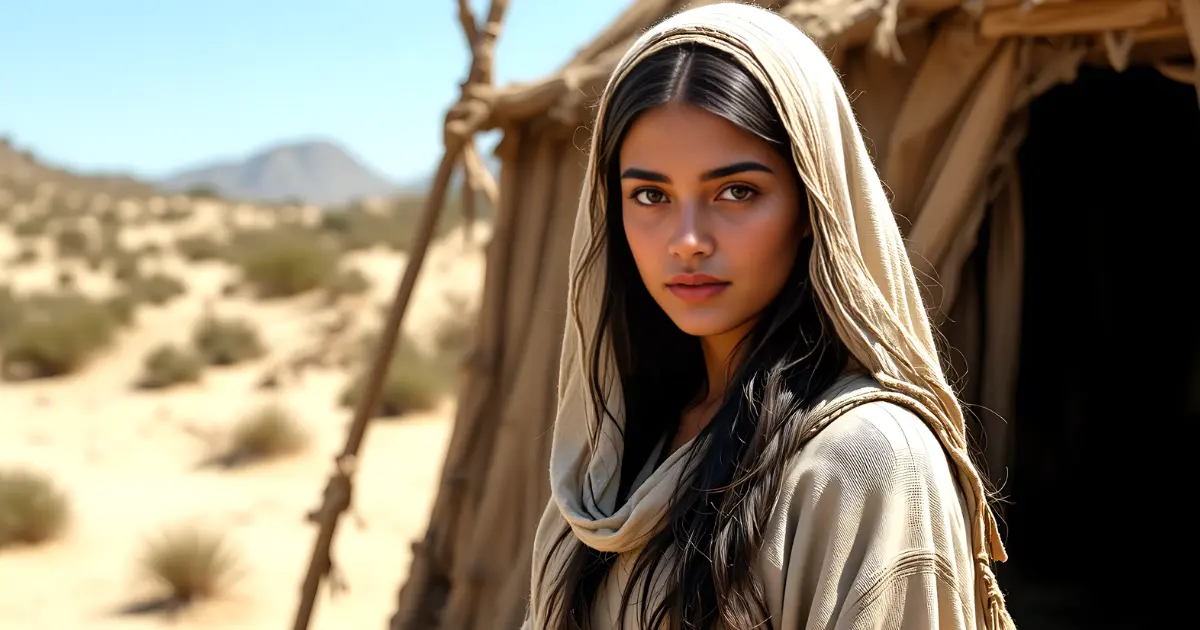
Zilpah in the Bible was Leah’s servant who later became part of Jacob’s household and the mother of Gad and Asher, two of the twelve tribes of Israel. If you are asking, “Who was Zilpah in the Bible?” Genesis describes her as a servant woman given to Jacob by Leah during a time of deep family rivalry and struggle over children (Genesis 30:9-13). Though often overlooked among the women in Genesis, Zilpah became part of Israel’s covenant family line.
The Zilpah Bible story begins in the middle of the tension between Leah and Rachel. Both sisters were married to Jacob, and both longed for love, security, and children. In ancient family customs, servant women could be given to bear children on behalf of their mistresses. That is how Leah and Zilpah became connected in the biblical narrative. Through Jacob and Zilpah, two tribes of Israel were born.
Zilpah’s story may seem small at first glance, but it carries real meaning within the larger story of Scripture. She reminds readers that God often works through quiet and forgotten people. As we study this servant woman’s place among the women in Scripture and the broader list of women in the Bible, we begin to see themes of biblical motherhood, family struggle, covenant purpose, and God’s care for people that history tends to overlook.
Important Facts About Zilpah in the Bible
Here are some key details that help explain Zilpah’s place among the Women of the Bible and why her story matters in Genesis.
| Fact | Details |
|---|---|
| Name | Zilpah meaning is uncertain, but many scholars connect it to ideas like “frailty” or “dripping.” |
| Relationship to Leah | Zilpah was the servant or handmaid given to Leah by her father Laban before Leah married Jacob. |
| Relationship to Jacob | Leah later gave Zilpah to Jacob as a concubine or secondary wife during the family rivalry over children. |
| Zilpah sons | Zilpah gave birth to Gad and Asher. |
| Who were Zilpah’s sons? | Her sons were Gad and Asher, who later became leaders of two tribes of Israel. |
| Zilpah children | Zilpah had two recorded children in Scripture. |
| Bible References | Where is Zilpah mentioned in the Bible? Mainly in Genesis 29, Genesis 30, Genesis 35, Genesis 37, and Genesis 46. |
| Tribe Connections | Gad became the father of the Tribe of Gad, and Asher became the father of the Tribe of Asher. |
| Time Period | Zilpah lived during the time of the patriarchs in Genesis, likely around the early second millennium BC. |
| Role in Jacob’s Household | She was part of the large covenant family through which God built the nation of Israel. |
Zilpah’s role may appear small compared to women like Leah or Rachel, yet her place in biblical history was important. Through her sons, she became connected to Israel’s future. Her description further helps the reader understand the complex family structure within Jacob’s household, where servants, spouses, children, and inheritance intricately link.
As you continue studying women in Genesis, it also helps to compare Zilpah’s quiet role with that of stronger public figures like Rebekah, Lydia, Jezebel, and Jael. Each woman reveals a different side of faith, power, struggle, and God’s work through human lives.
What Does Zilpah Mean in the Bible?
The exact meaning of “Zilpah” in the Bible is uncertain, but many Bible scholars associate the name with ideas such as “frailty,” “delicate,” or possibly “dripping.” In the Hebrew Bible, names often carried deep meaning connected to identity, family history, emotions, or future hope. That is why studying the meanings of biblical names can help readers better understand the people and stories in Genesis.
If you are wondering, “What does Zilpah mean in Hebrew?” The name likely derives from an ancient Hebrew root, though scholars still debate its full meaning. The name is usually pronounced:
Zilpah (ZIL puh)
Understanding how to pronounce Zilpah in the Bible also helps modern readers connect more personally with this often overlooked woman in Scripture.
Names mattered greatly among women in the Bible and to other biblical figures. In Genesis especially, names typically expressed grief or joy, struggle or prayer, or God’s work in a family. We see this pattern with women like Dinah, Hagar, Hannah, Eve, and Elizabeth.
Though Zilpah speaks no recorded words in Scripture, her name remains part of Israel’s covenant story through her sons, Gad and Asher.
Zilpah’s Story in Genesis

The story of Zilpah in Genesis takes place within one of the Bible’s most complicated families. While her name appears only a few times in Scripture, her role became important in the growth of Israel’s covenant family. The story of Zilpah in Genesis shows how God worked through servant women, family tension, and painful rivalry to build the future nation of Israel. Like many biblical women’s stories, her life unfolded quietly in the background, yet her children became part of biblical history.
Zilpah Was Given to Leah by Laban
Zilpah first appears in Genesis 29:24, where Scripture says:
"And when Laban gave his daughter Leah his servant Zilpah as her attendant."
This short verse introduces Zilpah as part of Laban’s household arrangement. In rich patriarchal families, daughters were often handed servant women upon marriage. These servants became lifelong attendants and members of the larger family.
The daughters of Laban each received a servant woman. Leah received Zilpah, while Rachel received Bilhah. These household servants in Genesis lived within a strict social order where family authority, marriage customs, and inheritance shaped daily life. Zilpah probably had little personal control over her future in this big patriarchal family.
Why Leah Gave Zilpah to Jacob
The next major moment in Zilpah’s story in Genesis occurs during the intense rivalry between Leah and Rachel. Genesis 30:9-13 explains that Leah gave Zilpah to Jacob after she had stopped having children for a time.
This decision may feel strange to modern readers, but it reflected the accepted marriage customs of the period. In the ancient world, children were associated with inheritance, family power, and social prestige. A woman’s ability to bear children often affected her place within the household.
The answer to why Leah gave Zilpah to Jacob lies directly in this painful competition between sisters. Leah feared losing status within Jacob’s family, so she used her servant as a surrogate mother. The growing family rivalry in Genesis pushed both Leah and Rachel into choices shaped by pressure, insecurity, and longing for love.
The Birth of Gad and Asher
Through Jacob and Zilpah, two sons were born: Gad and Asher. This makes Zilpah the mother of Gad and Asher and part of the foundation of Israel’s future tribes.
When Gad was born, Leah declared that good fortune had come. Gad is associated with fortune or good luck. Leah was convinced that women would call her blessed, and later, Asher’s name came to mean happiness and joy.
These sons later became the tribes of Gad and Asher within Israel. In this way, who the children of Zilpah were becomes more than a genealogy question. Her sons were the heads of the tribes of Gad and Asher, thereby tying this peaceful servant woman directly to the history of God’s people.
Zilpah’s story also stands beside the lives of women like Esther, Delilah, Deborah, Sapphira, and Ruth, each revealing different struggles and roles among the women of Scripture.
Was Zilpah a Wife or a Concubine?
Many readers ask, was Zilpah a concubine, or was she considered one of Jacob’s wives? The answer is a little complex because ancient family structures in Genesis were very different from modern marriage customs.
Zilpah first appears as Leah’s handmaid or maidservant in Genesis 29:24. Later, Genesis 30 explains that Leah gave Zilpah to Jacob so she could bear children on Leah’s behalf. In that culture, servant women could become secondary wives or concubines connected to the household.
So, was Zilpah Jacob’s wife? In one sense, yes. Genesis 37:2 refers to the sons of Bilhah and Zilpah as sons of Jacob’s wives. But her station was not like Leah’s or Rachel’s. This is why many Bible teachers refer to her as a handmaid and concubine.
Understanding whether Zilpah was a servant or a wife requires an understanding of the biblical family hierarchy in Genesis. Ancient households often included wives, servants, concubines, children, and extended family members, all living under a single authority. These relationships affected inheritance, status, and family identity within ancient Israel.
The confusion for modern readers arises from the way Scripture describes Jacob’s household. Genesis 35:26 lists Zilpah’s sons among the tribes of Israel, indicating that her children were fully included in God’s covenant family, even though her social status remained lower.
The story of Jacob’s wives and concubines also reminds us that the Bible often records broken and complicated family situations without presenting them as perfect models to follow. Zilpah is one of many quiet yet important women in Scripture whose sons will be part of Israel’s destiny.
Her account can also be compared with the stories of women such as Bathsheba, Athaliah, Atarah, and Adah, whose narratives reflect the complex realities of family, power, and identity in the Old Testament.
Zilpah and Bilhah in the Bible
The stories of Zilpah and Bilhah are closely connected in Genesis. Both women lived in Jacob’s complicated household and became mothers of tribes that later formed the nation of Israel. When readers study Bilhah and Zilpah in the Bible, they often notice how these women remained mostly silent in Scripture, yet their children became part of God’s covenant history. They are among the numerous female biblical characters as forgotten mothers of the future tribes of Israel.
Similarities Between Zilpah and Bilhah
Zilpah and Bilhah shared many similarities. Both women began as servants given to Laban’s daughters before their marriages. Zilpah belonged to Leah, while Bilhah served Rachel.
During the bitter rivalry between Leah and Rachel, both were given to Jacob as secondary wives or concubines. This was the family custom of the time when servant women might have children for their mistresses.
Both women became mothers within Jacob’s covenant family. Bilhah gave birth to Dan and Naphtali, while Zilpah gave birth to Gad and Asher. Both women helped mold the future twelve tribes of Israel, yet they don’t get much prominence in Bible study.
Important Differences Between the Two Women
Despite their similarities, there were also important differences between the two women. The clearest difference was their connection to different mistresses. Bilhah got caught up in Rachel’s sterility, and Zilpah was swept into Leah’s constant rivalry for standing and love in the home.
Their sons also formed different tribal lines in Israel’s future history. Questions such as whether Zilpah and Bilhah are sisters, or discussions of their ethnicity, are not clearly answered in Scripture. The Bible gives us relatively little personal background on each woman.
Still, both women matter because they show how God worked through people often overlooked by society. Their stories remind readers that even servant women may be spun into the line of the covenant that directed Israel’s future.
Their quiet faithfulness can be compared with that of women such as Ahinoam, Abital, Apphia, and Anna, whose lives also reveal different ways women influenced biblical history.
Why Zilpah Matters in the Story of Israel
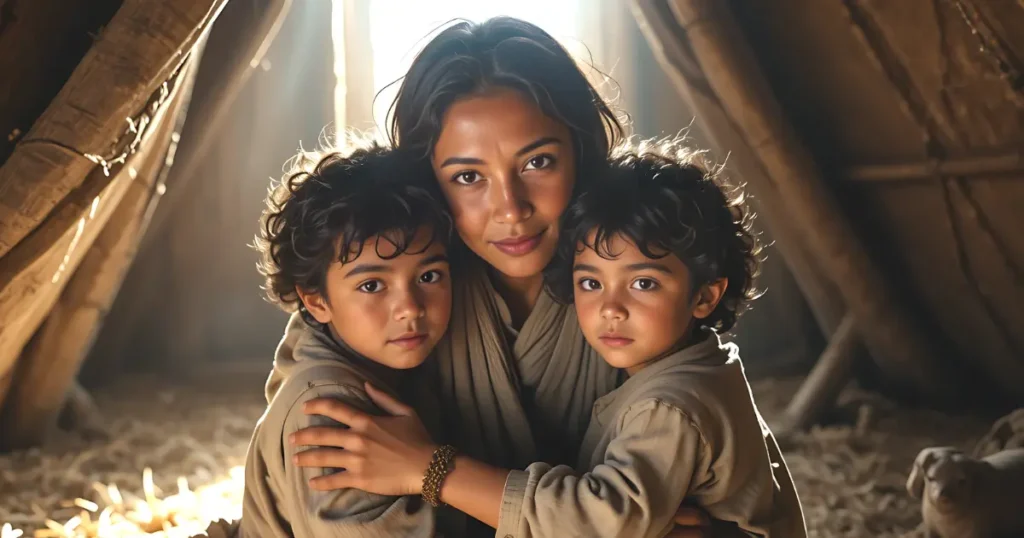
Many readers wonder, “Why is Zilpah important in the Bible if she speaks so little in Scripture? The answer becomes clear when we look at her place in God’s covenant plan. Though often overlooked, Zilpah was among the women behind the tribes of Israel. Her story reminds us that God’s work in history often moves through ordinary people hidden in the background.
Zilpah Became the Mother of Two Tribes
One reason Zilpah matters in the story of Israel is that she became the mother of Gad and Asher. These sons eventually became two of the twelve tribes of Israel. This story explains how Zilpah fits within the twelve tribes and why her role remains important in Genesis.
In the book of Genesis, family lineage mattered deeply. God’s covenant promises were passed down from one generation to the next. Every branch on Jacob’s family tree became a part of Israel’s future. The descendants of Zilpah entered the covenant history of God’s people through the tribes of Gad and Asher.
This truth also helps readers understand why even small details in Genesis matter. A maidservant in Jacob’s household eventually became associated with the growth of a whole nation.
God Worked Through an Overlooked Woman
Zilpah’s story also shows God’s providence at work through people society often ignores. Among the many overlooked women of the Bible, she stands as a quiet example of God working through ordinary women.
Scripture does not record any words spoken by Zilpah. We know little about her personal thoughts or feelings. But God was still working in her life in the greater covenant tale. This motif runs through the Bible. God repeatedly works through unexpected people, including servants, outsiders, widows, and women with little social power.
The account of this Bible woman reminds modern readers that visibility is not the same as value. Some of the most important characters in Scripture were quiet yet played a significant part in God’s plan.
Zilpah’s life fits within the larger theme of covenant lineage through women, in which God faithfully fulfilled His promises across generations through mothers, daughters, servants, and wives.
Her story stands beside women like Abishag, Abigail, Mary, and Mary Magdalene, all of whom reveal different ways God worked through women in the Bible.
Historical and Cultural Background of Zilpah’s Story
Understanding the world behind Zilpah’s story helps modern readers make sense of many difficult parts of Genesis. Customs very different from today’s culture shaped the lives of servant women in Genesis. To fully understand this part of the Bible, readers need to examine ancient Hebrew culture, family inheritance systems, and the roles women held within large patriarchal households. This background gives deeper meaning to many stories found in the Women of the Bible and helps strengthen any serious Bible study of Genesis.
Servants and Marriage Customs in Genesis
In the book of Genesis, wealthy households often included servants, shepherds, laborers, and maidservants. Female maids, such as Zilpah and Bilhah, were regularly included in the households of strong families. The role of handmaids in the Bible often included serving their mistresses, helping manage household work, and, sometimes, bearing children who were connected to the family line.
The Genesis family structure was strongly centered on inheritance and future descendants. Often, women were expected to bear children who would carry on the family name and protect tribal inheritance rights. This permitted servant women to become secondary wives or concubines in the family.
These customs reflected the broader social world of the biblical patriarchs, in which family authority and survival shaped daily life. While the Bible records these practices, it also honestly shows the tension, jealousy, and pain they often created inside families.
Why Children Were So Important
Children carried enormous importance in Genesis because families depended on future generations for survival, land inheritance, protection, and tribal identity. That is why fertility rituals became such an emotive subject in Jacob’s household.
God had also promised Abraham that his offspring would be a mighty nation. Because of this covenant promise, childbirth became tied closely to hope, blessing, and future inheritance. Much of the genealogy in the Bible’s Genesis is meant to show how God kept His promises for generations.
For women like Leah, Rachel, Bilhah, and Zilpah, this created deep emotional pressure. Their value within the household was often connected to motherhood, which fueled the painful biblical family dynamics seen throughout Genesis.
As readers study these stories today, they can better understand the struggles faced by women like Martha, Miriam, Mary of Bethany, and Naomi, whose lives were also shaped by family, faith, loss, and responsibility.
Lessons We Can Learn From Zilpah in the Bible
The spiritual lessons from Zilpah may surprise readers because her story is short and quiet. She never gives a speech, leads a nation, or stands at the center of the narrative. Yet her life still reveals important truths about faith and trust, God’s sovereignty, and the value of people the world often ignores. When we ask what role Zilpah played in Genesis, the answer goes far beyond genealogy.
God Sees People Others Overlook
Zilpah began as a servant woman with little social status inside Jacob’s household. She lived in the background of the story in various ways. Yet God still included her within the covenant family that became Israel.
This reminds readers that God’s attention is not limited to powerful or visible people. Many believers today quietly carry responsibilities, serve their families, or struggle to feel seen. Zilpah’s story reflects God’s plan through overlooked people and offers encouragement to anyone who feels forgotten.
God Works Through Imperfect Family Situations
Genesis does not hide the brokenness in Jacob’s household. The rivalry between Leah and Rachel created jealousy, competition, and emotional pain. Zilpah herself became part of that complicated family tension.
Still, God continued working through those imperfect situations. That does not mean every action in Genesis was good or healthy. Rather, it shows God’s ability to carry out His purposes even through human weakness and flawed relationships.
For many people, this becomes an important lesson for Christian living. Difficult family histories, personal mistakes, and painful circumstances do not stop God’s plans.
Faithfulness Matters More Than Status
Zilpah speaks no recorded words in Scripture, yet her impact lasted for generations through the tribes of Gad and Asher. Her silent contribution was written into the chronicle of Israel’s future.
That truth still matters today. The Bible often honors steady faithfulness more than public recognition. Some of the most meaningful work in God’s kingdom happens quietly through ordinary people living faithfully day by day.
Zilpah’s story fits alongside those of women like Priscilla, Phoebe, Rachel, and Rahab, whose lives also show how God works through very different people for His greater purpose.
Frequently Asked Questions About Zilpah in the Bible
Q1: Was Zilpah Hebrew?
The Bible does not clearly state whether Zilpah was Hebrew. She lived in Laban’s household in Mesopotamia, so many scholars believe she likely came from the same broader Aramean region associated with Laban’s family. The race of Bilhah and Zilpah is unknown because Scripture provides no biographical information.
Q2: How Many Sons Did Jacob Have Altogether?
Jacob had twelve sons who later became the fathers of the twelve tribes of Israel. Jacob had offspring through Leah, Rachel, Bilhah, and Zilpah. Zilpah’s sons, Gad and Asher, made her a covenant member of the family.
Q3: Why Are Gad and Asher Important in the Bible?
Readers often ask, why are Gad and Asher important in Scripture? Both sons led Israeli tribes. Zilpah produced the Gad and Asher tribes. These tribes later received land inheritances and were included in Jacob’s blessings over his sons in Genesis 49.
Q4: Did Zilpah Have Any Daughters in the Bible?
The Bible records only two sons among Zilpah’s children: Gad and Asher. No daughters are mentioned in Scripture. However, because ancient genealogies often focused primarily on male lines of descent, it is possible that the total number of Zilpah’s descendants exceeded those specifically named in the biblical record.
Q5: Why Are Women Like Zilpah Often Overlooked in Bible Studies?
Many overlooked women of the Bible appear only briefly in Scripture, especially in Genesis. Their stories are often short, quiet, and connected to larger family narratives. These women were crucial to covenant history, familial lineage, and Israel’s growth.
Q6: What Can Modern Christians Learn From Zilpah’s Quiet Role?
The main spiritual lessons from Zilpah involve faithfulness, humility, and God’s care for unseen people. Her tale teaches believers that God works through ordinary women and quiet acts of obedience, even when they are unnoticed.
Final Thoughts on Zilpah in the Bible
When we look back at the story of Zilpah in the Bible, we see far more than a brief name in a genealogy. For readers asking who Zilpah was in the Bible, Scripture reveals that she was a servant woman who became part of God’s covenant family and the mother of Gad and Asher, two tribes of Israel.
Zilpah may not receive the same attention as Leah, Rachel, or other major figures in Genesis, yet her role still mattered deeply in biblical history. She was overlooked in Genesis, but God utilized her in Israel’s development. Through her sons, this quiet servant became connected to the future of an entire nation.
Her account also reminds readers that many Women in Scripture lived ordinary, difficult lives shaped by family tensions, social limits, and personal struggles. Yet God continued working through them faithfully. Zilpah stands as a servant who became part of Israel’s history, proving that even people in the background can carry lasting significance in God’s plan.
For modern readers, her story offers a gentle but important reminder. God does not measure value the same way people often do. Some of Scripture’s most important characters rarely speak, lead, or are praised.
If you enjoy studying lesser-known women in the Bible, continue exploring more stories in our “Women of the Bible” series to discover how God worked through both famous and forgotten women throughout Scripture.