Who Was Keturah in the Bible?
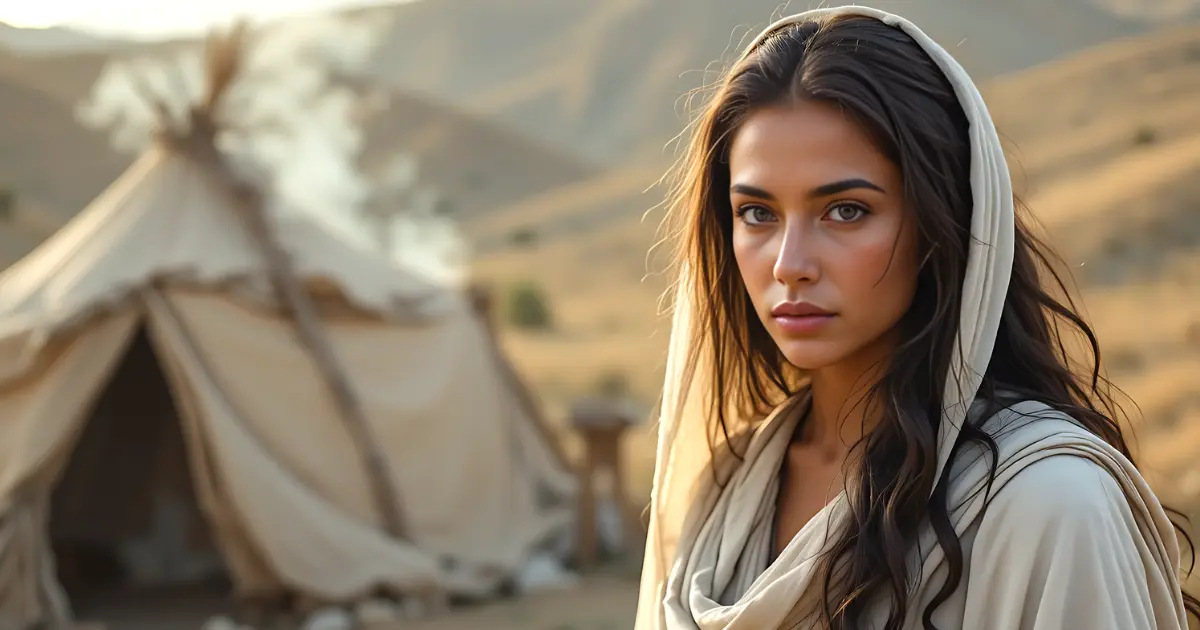
In the Bible, Keturah was Abraham’s second wife after Sarah’s death. According to Genesis 25:1-6 (NIV), she became the mother of six sons: Zimran, Jokshan, Medan, Midian, Ishbak, and Shuah. Although God’s covenant promise continued through Isaac, Keturah’s descendants became important nations in biblical history, showing God’s continued blessing on Abraham’s family.
Keturah appears only briefly in Scripture, yet her place in the biblical account is significant. Her story is found mainly in Genesis 25:1-6, with her family line mentioned again in 1 Chronicles 1:32-33. While she is not one of the best known women of Scripture, her account helps complete the story of Abraham’s later years and shows how God’s promises unfolded through different branches of his family.
As we explore the story of Keturah in the Bible, she reminds us that even people mentioned in only a few verses can have an enduring place in God’s plan. This study will look at her marriage to Abraham, her children and descendants, her relationship with God’s covenant, and the practical faith lessons Christians can learn today. She deserves a meaningful place among the list of women in the Bible because her legacy reaches far beyond the few verses that mention her.
Keturah in the Bible at a Glance
If you’ve ever wondered, “Who is Keturah in the Bible?” The Bible gives us a clear, though brief, introduction. She was Abraham’s wife after Sarah’s death and became the mother of six sons. Her account is found mainly in Genesis 25:1-6, with her family line listed again in 1 Chronicles 1:32-33. Even though Keturah in the Bible appears in only a few verses, her descendants became part of several important nations in the Old Testament, especially through Midian.
Like many biblical women, Keturah reminds us that a person’s influence is not measured by the number of verses written about them. Her role in Abraham’s family gives readers insight into God’s unfolding purpose, ancient family practices, and the distinction between God’s covenant through Isaac and His broader benefits for Abraham’s offspring. This overview provides a valuable starting point for your Bible study before we examine her life, family, and lasting legacy in greater detail.
Quick Facts About Keturah
| Fact | Details |
|---|---|
| Bible References | Genesis 25:1 to 6, Genesis 25:7 to 10, 1 Chronicles 1:32 and 33 |
| Husband | Abraham |
| Children | Zimran, Jokshan, Medan, Midian, Ishbak, and Shuah |
| Time Period | The time of the patriarchs, around the early second millennium BC |
| Meaning of Her Name | Keturah likely means “incense” or “fragrance,” though Scripture itself does not explain the meaning. |
| Key Themes | Family, God’s blessing, biblical genealogy, Abraham’s later years, covenant inheritance, faith, and legacy |
Learn more about Adah and Aholibamah, two more women from Genesis whose family histories provide important perspectives on the early generations recorded in Scripture. Together, these accounts help paint a fuller picture of the lives of women in the Bible and God’s work through ordinary people.
What Is the Meaning of Keturah’s Name?
The question of what Keturah means in the Bible often leads readers to the Hebrew origin of her name. Most Bible scholars believe Keturah comes from a Hebrew word associated with “incense” or “fragrance.” While this meaning is widely accepted, the Bible itself does not explain why she was given this name or connect it to her character or role in God’s plan.
Throughout Scripture, names often carry meaning and sometimes reflect a person’s identity, circumstances, or God’s purpose. But it is vital not to read significance into a name unless the biblical language clearly supports such interpretation. In this scripture study, Keturah’s name should be understood as helpful background rather than a hidden message. Her importance is based on what the Bible says about her life, not on assumptions about her name.
Like many Women in the Old Testament, Keturah is remembered because of her place in God’s unfolding account through Abraham and the generations that followed. Her narrative urges us to read Scripture carefully, letting God’s Word speak for itself.
As you continue exploring the women of the Bible, you may also enjoy learning about Bilhah and Dinah, whose lives reveal other important aspects of God’s work through the families of Genesis.
Keturah’s Story in Scripture
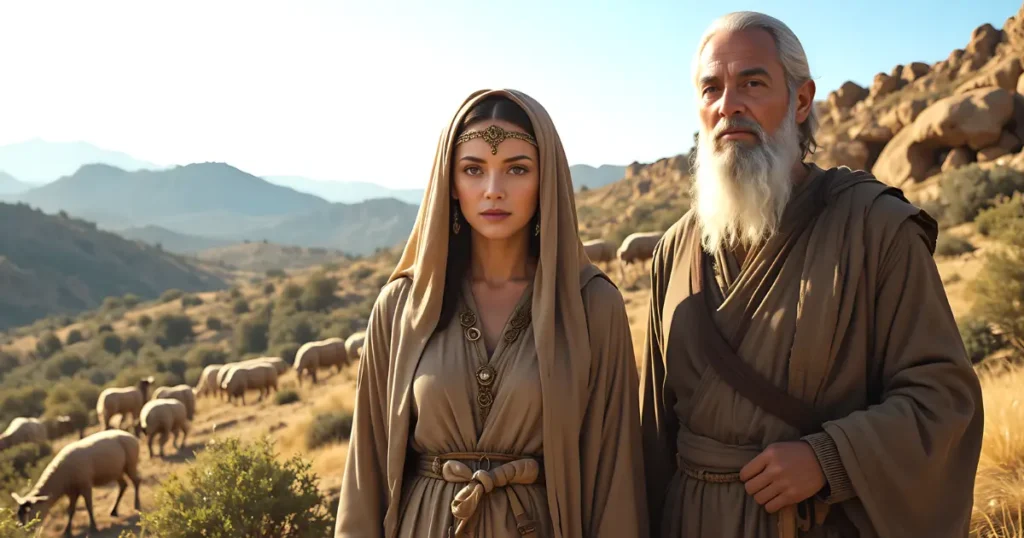
The story of Keturah in the Bible is brief but important. Her account is found primarily in Genesis 25:1-6, with her family line repeated in 1 Chronicles 1:32-33. Although only a few verses mention her, they give valuable insight into Abraham’s later years, God’s continued blessing on his family, and the distinction between physical descendants and the covenant line. Understanding “where is Keturah in the Bible” helps place her within the larger account of Genesis and strengthens any thoughtful character study of this faithful woman.
Abraham Marries Keturah After Sarah’s Death
First, the Bible introduces Abraham’s wife Keturah in Genesis 25:1 (NIV):
“Abraham had taken another wife, whose name was Keturah.”
Sarah had already died and was buried in Hebron (Genesis 23), so Abraham remarried during his later years. Scripture does not explain every reason for this marriage, and it is wise not to speculate beyond what God has revealed. But in the patriarchal period, remarriage after the death of a spouse was accepted, and large families were frequent as they strengthened households and future generations.
Marriage customs in the Ancient Near East differed from those of today. Families often viewed marriage as both a personal and family responsibility. Even so, the Bible keeps the focus on God’s ongoing work through Abraham rather than on cultural details alone. The account of Abraham and Keturah in the Bible shows that God’s blessing on Abraham continued even after Sarah’s death.
Keturah Becomes the Mother of Six Sons
Genesis 25:2 to 4 (NIV) records that Keturah gave birth to six sons:
“She bore him Zimran, Jokshan, Medan, Midian, Ishbak, and Shuah.”
The passage also names several grandsons, showing that Keturah’s family quickly grew into many clans and nations.
| Son | What Scripture Tells Us |
|---|---|
| Zimran | Listed as Abraham’s son, with no further details. |
| Jokshan | Father of Sheba and Dedan. |
| Medan | Mentioned only in the genealogy. |
| Midian | Ancestor of the Midianites, who appear many times later in the Old Testament. |
| Ishbak | Listed among Abraham’s sons. |
| Shuah | Ancestor of the Shuhites, including Bildad the Shuhite in the Book of Job. |
This genealogy reminds readers that God’s promise to make Abraham the father of many nations was fulfilled in more than one way. Isaac was the bearer of the covenant promise, but Keturah’s progeny also became prominent in biblical history. Every Keturah in the Bible verse contributes to that larger picture.
Isaac Receives the Covenant Promise
Genesis 25:5 and 6 (NIV) explain an important difference within Abraham’s family:
“Abraham left everything he owned to Isaac. But while he was still living, he gave gifts to the sons of his concubines and sent them away from his son Isaac to the land of the east.”
These verses make clear that Isaac alone received the covenant inheritance God had promised long before his birth. God had promised before that the line of covenant would continue via Isaac, the son born to Sarah.
Keturah’s sons were not rejected or forgotten. Abraham provided gifts for them before sending them east, likely to prevent future disputes over the covenant inheritance and the land God had promised to Isaac’s descendants. Scripture depicts the event as an orderly passing on of the covenant promise, not biased.
Keturah in Abraham’s Family Record
Keturah appears again in 1 Chronicles 1:32-33, where her sons and grandsons are listed in Israel’s historical genealogy. Although these verses are brief, they confirm the accuracy and continuity of the Genesis account.
Genealogies often seem like simple lists, but they preserve God’s work across generations. They show how families, nations, and future events connect throughout Scripture. Keturah’s narrative serves as a reminder to readers of Biblical Women and those seeking guidance for Christian living that God cares about every person involved in His unfolding plan, even if only a few verses record their story.
As you continue studying the lives of women in Genesis, consider reading about Eve and Leah. Their accounts, together with Keturah’s, reveal different ways God worked through ordinary women to accomplish His extraordinary purposes.
Keturah’s Family, Descendants, and Biblical Legacy
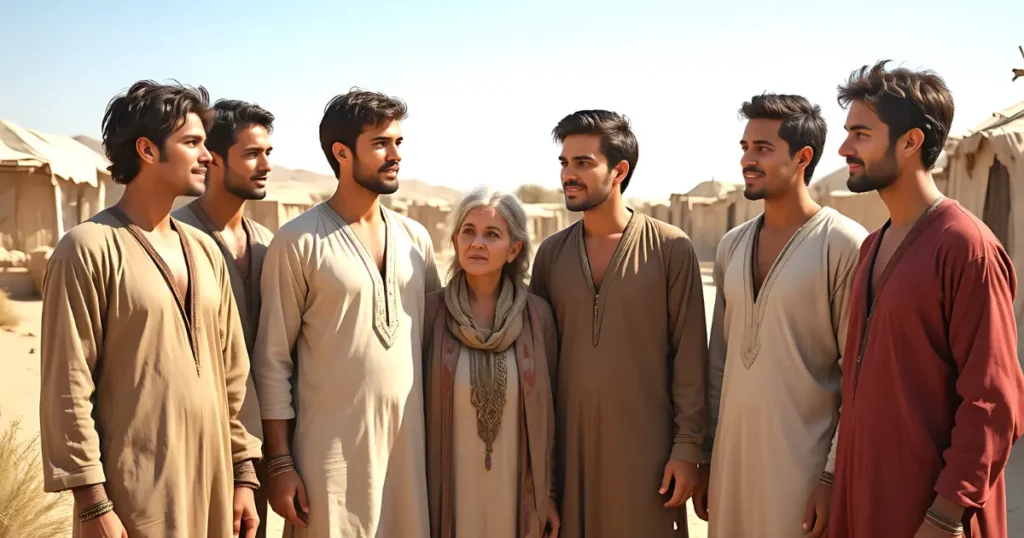
The children of Keturah in the Bible played an important role in the history of the Ancient Near East. If you ask, “who were the sons of Keturah,” Scripture names six: Zimran, Jokshan, Medan, Midian, Ishbak, and Shuah (Genesis 25:2). Genesis 25:3 and 4 also record several grandsons, including Sheba and Dedan through Jokshan, showing that Keturah’s family quickly grew into many tribes and nations.
Among her descendants, Midian became the most well known. Readers often ask what nation came from Midian. Midian was the ancestor of the Midianites, who are mentioned throughout the Old Testament.
Moses fled to the land of Midian after leaving Egypt, married Zipporah there, and spent many years before God called him to lead Israel out of slavery (Exodus 2). Later, the Midianites appear in the days of Gideon, demonstrating their lasting place in biblical history.
Others also ask who Keturah’s descendants are today. The Bible traces her family into several ancient peoples but does not identify any modern nation or ethnic group as her direct descendants. Claims beyond what Scripture records remain speculative and should be treated with caution.
Keturah’s family reminds us that God’s promise to make Abraham the father of many nations reached far beyond Israel. Her legacy is woven into the broader biblical narrative, making her an important biblical woman among the many women in Scripture whose families shaped God’s unfolding plan. As you continue your study, consider reading about Rachel and Rebekah, whose lives further reveal God’s work through the covenant family.
Questions the Bible Leaves Unanswered About Keturah
One strength of careful Scripture study is knowing what the Bible says and does not say. The story of Keturah is brief, so several common questions cannot be answered with certainty. For example, who was Keturah’s father, how old was Keturah when Abraham married her, and how old was Keturah in the Bible are questions that Scripture never addresses.
Likewise, there is no biblical evidence to answer whether Keturah was African. Any claims about her ancestry, age, or background go beyond the biblical text and should be viewed as tradition or personal opinion rather than fact. This careful approach helps us understand the story of women in the Bible with honesty and respect for God’s Word.
Was Keturah Hagar?
Some Jewish traditions suggest that Keturah and Hagar were the same woman, reunited with Abraham after Sarah’s death. One explanation is that the word “Keturah” could symbolize constancy or renewed dedication.
However, the Bible never states that Keturah was Hagar. In Genesis 25:1, Keturah is introduced by name without identifying her as Hagar. We cannot say for certain because Scripture does not establish the connection. It is better to separate biblical facts from later traditions.
Other Unknown Details
The Bible does not reveal Keturah’s parents, birthplace, or family background. Nor does it tell us her age, the exact date of her marriage to Abraham, or how long she lived following his death. Scripture is equally silent about where she was buried.
Rather than filling these gaps with speculation, the Bible directs our attention to what truly matters: Keturah’s place in Abraham’s family and the generations that came from her. Like the other women in the Bible, her story draws readers to God’s redemptive plan rather than all the historical questions.
For a broader understanding of Genesis, you may also enjoy studying Tamar (Genesis 38) and Zilpah, whose accounts also require careful attention to what Scripture clearly reveals and what it leaves unsaid.
Why Keturah Still Matters for Christians Today
The lessons from Keturah in the Bible remind us that God often works through people who receive little attention in Scripture. Although only a few verses describe her life, Keturah became part of Abraham’s family and the generations that followed. Her account shows that God’s purposes continue across generations, even when someone’s role seems quiet or unnoticed.
So, what does Keturah teach us? First, she reminds us that faithfulness does not depend on public recognition. The Bible records only a small part of her life, yet her descendants became part of God’s unfolding account. Second, her narrative is a story of God’s faithfulness. He fulfilled His promise to make Abraham the father of many nations by keeping His covenant with Isaac, exactly as He had promised.
This is a reminder to Christians today that there is a place for every believer in God’s plan. We may never know how God will use our actions to influence future generations, but living faithfully always matters. As we believe in God’s wisdom and walk in obedience, our legacy can reach far beyond our lifetime.
Keturah lived long before the time of women in Jesus and the Women in the New Testament, yet her account fits into the same story of God’s redeeming work throughout Scripture. As you continue exploring the lives of biblical women, consider reading about Martha, Mary of Bethany, and Mary, whose faithful lives reveal the same unchanging God at work across every generation.
Frequently Asked Questions About Keturah
Q: Was Keturah Abraham’s wife or concubine?
Genesis 25:1 calls Keturah Abraham’s wife. However, 1 Chronicles 1:32 refers to her as Abraham’s concubine. In the patriarchal period, these titles could be used to designate various legal or social positions inside the home. The Bible includes both descriptions, so it is best to acknowledge both rather than favor one over the other.
Q: Did Abraham love Keturah?
The Bible does not say whether Abraham loved Keturah. Scripture simply records that he married her after Sarah’s death and that they had six sons together (Genesis 25:1-2). To say anything about his personal feelings would be guesswork, for the biblical text tells us nothing of them.
Q: What happened to Keturah after Abraham died?
The Bible does not record what happened to Keturah after Abraham’s death. No details are given of her later life, where she lived, or where she was buried. Instead, Scripture shifts its focus to Abraham’s burial by Isaac and Ishmael and continues the story through the covenant family.
Final Thoughts on Keturah in the Bible
Keturah in the Bible may appear in only a handful of verses, yet her account adds an important chapter to Abraham’s family history. After Sarah’s death, as his wife and the mother of six sons, she became the ancestor of several nations that continued to shape the biblical narrative. At the same time, her story highlights the unique covenant God established through Isaac, showing both His faithfulness and His perfect plan.
Among the many women of Scripture, Keturah reminds us that God often works through people whose lives receive little attention in the biblical record. Her legacy reached far beyond her lifetime, proving that God’s purposes extend across generations.
If you enjoyed learning about Keturah, continue exploring the remarkable women of Genesis and the many other faithful women throughout the Bible. Each story uncovers another piece of God’s unfolding plan of redemption. Be sure to read more studies in our Women of the Bible series to deepen your wisdom of Scripture and grow in your faith.