Introduction: Who Was Huldah in the Bible?
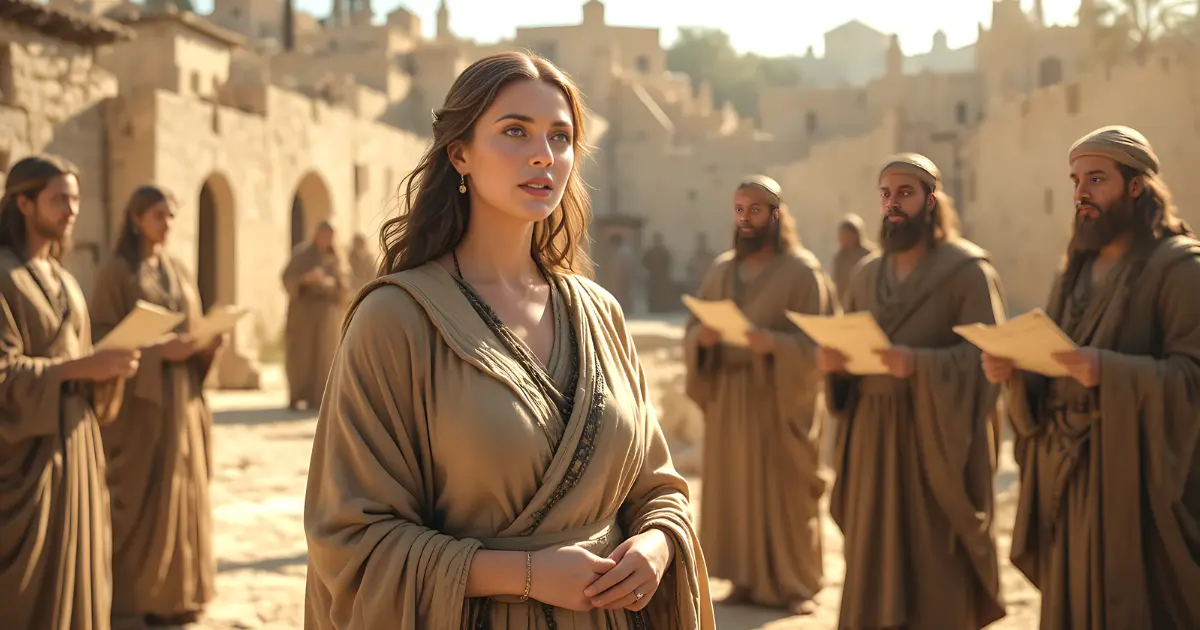
Huldah in the Bible was a respected prophetess who lived in Jerusalem during the reign of King Josiah. When the Book of the Law was discovered in the temple, Josiah’s officials sought her counsel. Huldah, the prophetess in the Bible, delivered God’s message of coming judgment and future mercy, helping to guide one of Judah’s most important spiritual reforms (2 Kings 22:14–20; 2 Chronicles 34:22–28).
If you’ve ever wondered who the biblical figure Huldah was, her life story offers an inspiring illustration of faithfulness, discernment, and spiritual authority. Her account, though brief, was the influence of a whole people at a vital juncture in Israel’s history. She stands among the most significant women of Scripture, proving that God used faithful women to communicate His truth and direct His people.
So, who is Huldah in the Bible? She was a prophetess living in Jerusalem during the seventh century BC, near the end of the Kingdom of Judah. At a time when idolatry had led the nation far from God, workers repairing the temple discovered the Book of the Law. The discovery deeply troubled King Josiah because it revealed how far the people had drifted from God’s covenant.
Rather than ignoring the warning, Josiah sent a delegation to seek God’s guidance. And to their surprise, they didn’t go to a clergyman or a political leader. They went to Huldah’s. Through her, God confirmed the book’s authenticity and revealed what would happen to Judah because of its long history of disobedience.
Her story remains relevant today because it highlights the importance of listening to God’s Word, seeking biblical wisdom, and responding to truth with humility and repentance. In this study, we’ll explore the story of Huldah in the Bible, her historical setting, her prophetic message, her role in Josiah’s reforms, and the lasting lessons Christians can learn from her example.
Huldah at a Glance: Quick Facts About Huldah
Looking for quick facts about Huldah? This snapshot provides an easy overview of one of the most influential female prophets in Scripture. While her story occupies only a few verses, her impact on Judah’s spiritual history was significant. These Huldah in the Bible facts help us understand her background, ministry, and role during King Josiah’s reforms.
| Fact | Details |
|---|---|
| Name | Huldah |
| Meaning | Often understood as “weasel” or “mole” in Hebrew, though the exact significance remains uncertain |
| Role | Prophetess and messenger of God’s word |
| Husband | Shallum, keeper of the royal wardrobe |
| Residence | Jerusalem, in the Second Quarter (Mishneh) |
| Bible References | 2 Kings 22:14–20, 2 Chronicles 34:22–28 |
| Time Period | Reign of King Josiah, around 640 to 609 BC |
| Key Contribution | Confirmed the Book of the Law and delivered God’s message concerning Judah’s future |
This profile of Huldah highlights why she remains an important figure among the many women in the Bible. At a time when Judah faced spiritual decline, God used Huldah to provide clear guidance to the nation’s leaders. Her prophecy influenced Josiah’s attitude to the newly discovered Book of the Law and was part of one of the most important Old Testament reform movements.
These Huldah in the Bible facts also reveal something remarkable about God’s work through ordinary people. Huldah was not a queen, or a general, or a priest. Yet her spiritual wisdom earned the trust of kings, priests, and government officials.
As we continue through this study of Biblical Women Characters, we’ll see how Huldah’s courage, discernment, and faithfulness compare with those of other notable women of Scripture, including Susanna, Sapphira, Dinah, and Sheerah, each of whom faced unique challenges and opportunities to influence those around them.
What Does the Name Huldah Mean in the Bible?
The meaning of Huldah in the Bible has intrigued Bible readers and scholars for centuries. The name Huldah comes from the Hebrew word Chuldah (חֻלְדָּה), which is commonly translated as “weasel” or “mole.” While that may sound unusual to modern readers, animal based names were not uncommon in the ancient world. Many biblical names were descriptive of nature, family heritage, or cultural connotations.
When exploring the meaning of the name Huldah, it is important to remember that Scripture does not directly explain why she received this name. This is why scholars are wary of attributing any special spiritual significance to it. The biblical meaning of Huldah is therefore based primarily on the Hebrew language rather than on a stated biblical interpretation.
Some Bible scholars suggest that the name may symbolize qualities such as alertness, persistence, or the ability to perceive what others miss. While Scripture does not prove these concepts, they are interesting in light of Huldah’s ministry. According to historical and scholarly discussions summarized by the Jewish Women’s Archive, Huldah served as a respected prophetess in Jerusalem during a critical period in Judah’s history, when the Book of the Law was rediscovered, and national reform was beginning.
So, what does the name Huldah mean in Hebrew? The simplest answer is that it refers to a small animal, traditionally understood to be a weasel or a mole. But the real significance of Huldah’s life is not in her name but in her faithfulness to God’s call.
The significance of Huldah’s name may also remind us that God often works through unexpected people. Ultimately, a person’s reputation in the Bible is determined more by their obedience than by the meaning of their name. Huldah became known not for her name, but for faithfully delivering God’s message during one of Judah’s most important moments.
This reality still encourages believers. Throughout the stories of the women of the Bible, including the Shunammite woman, Tabitha, and Tamar in Genesis 38, God consistently used ordinary individuals to accomplish extraordinary purposes. Huldah’s story is a reminder to people who want to grow in their Christian faith that faithfulness makes a much greater difference than prestige, position, or recognition.
Where Is Huldah Mentioned in the Bible?
If you’re wondering where Huldah is in the Bible, her story appears in two parallel Old Testament accounts. These passages record one of the most important moments in Judah’s spiritual history, when King Josiah’s reign saw the rediscovery of the Book of the Law.
The main references to Huldah in the Bible are in 2 Kings 22:14–20 and 2 Chronicles 34:22–28. These texts together reveal how God used Huldah to affirm His Word and direct the nation’s response to it.
For readers asking where Huldah is mentioned in Scripture, these passages directly describe her ministry. Her visit was brief, but her message influenced the course of Judah’s religious reforms and earned her a place among the prominent women in the Old Testament.
Huldah in 2 Kings 22:14–20
The first account is in 2 Kings. After the high priest Hilkiah discovered the Book of the Law during temple repairs, King Josiah heard it and was deeply troubled. Realizing that Judah had failed to obey God’s commands, he sent a delegation to seek the Lord’s guidance.
They went to Huldah, who delivered a prophetic message from God. She verified that the text was legitimate and stated that judgment would eventually come on Judah for generations of disobedience. However, because Josiah humbled himself before God, he would not witness that disaster during his lifetime.
This passage in the Bible highlights Huldah’s authority as a trusted prophetess whose words carried divine authority.
Huldah in 2 Chronicles 34:22–28
The account in 2 Chronicles records the same event but places additional emphasis on Josiah’s reforms and the nation’s spiritual renewal. Huldah’s prophecy again confirms the truth of the Book of the Law and God’s coming judgment.
Reading both passages together gives a fuller picture of her ministry. One is the prophetic message, the other helps us to connect that message with Judah’s covenant renewal and religious resurgence.
Huldah’s story stands as a powerful example of faithful leadership among the women in the Old Testament. Her influence can be compared with that of other notable biblical women, such as Tamar (Daughter of David), Susanna in Luke 8:3, and Vashti in Esther 1, Claudia, each of whom played a unique role within God’s larger story. For anyone engaged in serious Bible Study, these passages reveal how God can use a faithful servant to speak truth at a crucial moment in history.
Historical Background: Judah During King Josiah’s Reign
To understand the story of Huldah and King Josiah, we first need to understand the spiritual condition of the Kingdom of Judah during the late seventh century BC. Huldah’s ministry did not happen during a peaceful or spiritually healthy time. Rather, she served at a time when the nation sorely needed to turn back to God.
The events surrounding Huldah and King Josiah took place during Josiah’s reign, the reign of one of Judah’s most faithful kings. His leadership was a pivotal moment in the nation’s history, but the changes he instituted came after decades of spiritual deterioration and covenant unfaithfulness.
Spiritual Decline Before Josiah
Many of Judah’s leaders had turned the people away from God before Josiah’s rule. Idolatry became widespread. Pagan altars appeared throughout the land, and many people abandoned the worship practices God had established through Moses.
The temple in Jerusalem, which should have been the center of worship, suffered years of neglect. God’s covenant commands were largely ignored, and many people no longer knew or followed His Word. Although some loyal Christians remained, the spiritual health of the Kingdom of Judah was weak.
This pattern of decline appears throughout the Old Testament. But God always raised faithful men and women to preserve His truth. Just as He used Zipporah during Israel’s wilderness journey and Zilpah in Israel’s family history, He would later use Huldah at a critical moment of national crisis.
The Discovery of the Book of the Law
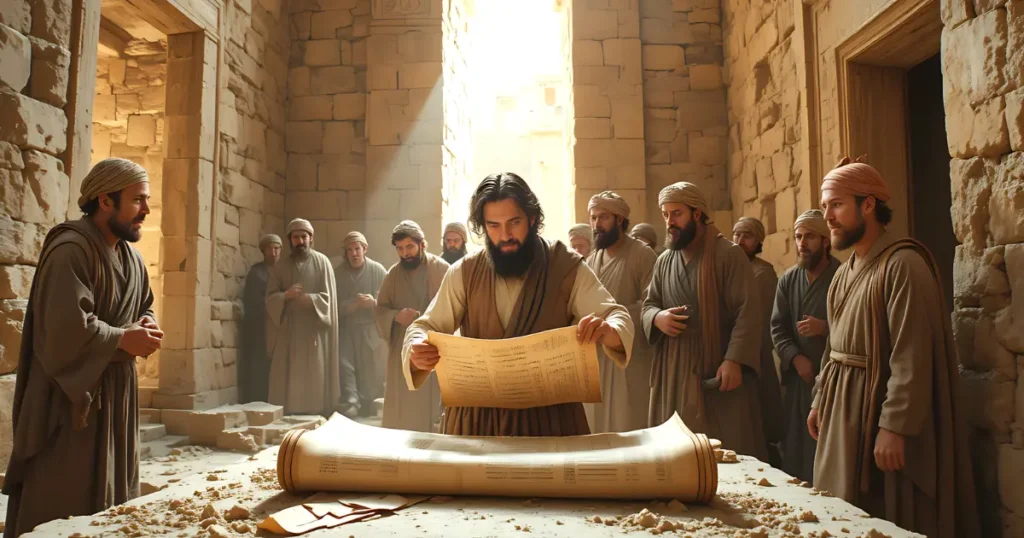
Everything began to change during the temple repairs ordered by King Josiah. As workers restored the temple, the high priest Hilkiah discovered a scroll identified as the Book of the Law.
The discovery of the Book of the Law became one of the most significant events in Judah’s history. As the scroll was read before the monarch, Josiah quickly realized how far the nation had strayed from God’s commands.
According to historical summaries discussed by GotQuestions, the rediscovery of God’s law became a catalyst for Josiah’s reform movement and renewed attention to covenant obedience. The discovery of the Book of the Law was more than a recovery of long-lost instructions. It exposed the nation’s sin and reminded the people of both God’s promises and His warnings.
Why the Discovery Shocked the Nation
The book revealed that Judah had violated God’s covenant for generations. The people had tolerated idolatry, ignored God’s commands, and failed to live according to His law. As he listened, Josiah saw that the nation was under God’s judgment.
This revelation led to a national movement of repentance and reform. The resulting religious revival in Judah included removing idols, restoring proper worship, renewing the covenant, and calling the people back to faithfulness.
At this critical moment, Josiah needed confirmation that the message was truly from God. This need gave rise directly to the prophetic ministry of Huldah. God used her to confirm the authority of the newly discovered scroll and explain what the future held for the nation.
For modern believers engaged in Scripture Study, this moment reminds us that spiritual renewal often begins when people rediscover God’s Word and respond to it with humility. It is a lesson that is still applicable to Christian living today.
As God’s truth confronted Judah centuries ago, it still calls believers to repentance, obedience, and fidelity. Similar themes of faith and obedience appear throughout Scripture in the stories of Bernice and Candace, showing that God works through many different people and circumstances to accomplish His purposes.
Who Was Huldah the Prophetess in the Bible?
When people ask about Huldah the prophetess in the Bible, they are asking about one of the most respected spiritual leaders in the Old Testament. Although her story is brief, her influence was extraordinary. God used Huldah to give His message to the king, priests, and national leaders at a pivotal point in Judah’s history.
The Huldah Bible prophetess appears in 2 Kings 22 and 2 Chronicles 34, where she confirms the authority of the Book of the Law after it was discovered during temple repairs. Her prophetic revelation shaped King Josiah’s response and was part of one of the largest reform movements in Judah’s history.
What makes Prophetess Huldah in the Bible remarkable is that Scripture presents her as a trusted source of divine revelation. National leaders sought her counsel when they needed the Lord’s guidance. This demonstrates the respect she held among the people and highlights her role as a faithful messenger of God.
Huldah’s Family and Husband Shallum
One question readers often ask is, Who was Huldah married to?
The Bible tells us that Huldah was married to Shallum, who served as the keeper of the royal wardrobe (2 Kings 22:14). This position likely involved responsibility for the king’s ceremonial garments and other official clothing associated with the royal court.
While Scripture provides only a few details about their family life, mentioning Shallum helps place Huldah within Jerusalem’s social and civic community. But the Bible does not define a woman by her husband’s status. Instead, it emphasizes her prophetic ministry and relationship with God.
This makes Huldah stand out among many biblical figures. She was not the kind of woman whose authority was based on political strength or family standing; her authority was a gift from God.
Where Did Huldah Live?
Another common question is, where did Huldah live?
The Bible says Huldah lived in Jerusalem, specifically in the Second Quarter of Jerusalem (2 Kings 22:14). This district, sometimes called the Mishneh, was a recognized section of the city during the reign of Josiah.
Living in Jerusalem placed Huldah near the center of political and religious life in the Kingdom of Judah. When the king’s men wanted to know where she was, they knew exactly where to go for God’s counsel.
Her location also reflects her relationship to the spiritual events unfolding in the capital city, where temple worship, national leadership, and covenant renewal converged.
Huldah’s Reputation in Jerusalem
The fact that royal officials approached Huldah reveals much about why Huldah earned respect in Jerusalem.
The delegation sent by King Josiah included high ranking leaders, yet they willingly sought her counsel. This implies that Huldah had already earned a reputation for intelligence, integrity, and spiritual intuition.
Her account shows that true leadership is rooted in faithfulness to God. Like Eve, whose choices affected future generations, and Jael, whose courage changed the course of Israel’s history, Huldah’s actions carried lasting significance. In contrast to Jezebel, who led many away from God, Huldah used her influence to call people back to God’s truth.
As a Huldah biblical woman, she stands among the most important examples of faithful female leadership in Scripture. Her life tells us that God delights in obedience, wisdom, and spiritual growth, not prestige or position. Among the many women in Scripture, Huldah remains a powerful example of how one faithful servant can influence an entire nation.
The Story of Huldah in the Bible
The Huldah in the Bible story takes place during one of the most important spiritual turning points in the history of Judah. Although Huldah appears in only a few verses, her role had a lasting impact on the nation. The story of Huldah in the Bible shows how God used a faithful prophetess to guide a king, confirm His Word, and call His people back to covenant faithfulness.
To understand what Huldah did in the Bible, we need to follow the events as they unfolded.
The King’s Officials Seek God’s Guidance
During the reign of King Josiah, workers were carrying out repairs on the temple in Jerusalem. During the labor, the high priest Hilkiah discovered the Book of the Law. Josiah was much distressed when someone read the scroll to him.
The words of the Law revealed how far the nation had drifted from God’s commands. For generations, the people had turned to idolatry and had failed to keep their covenant commitments. Josiah realized that Judah faced God’s judgment if the nation continued on its current path.
Wanting to know God’s will, the king sent a delegation of trusted officials, priests, and advisers to seek divine guidance. They had a simple but important task: to find out what God wanted the nation to do.
This moment forms a key part of the Huldah story in the Bible because it sets the stage for God’s message to be revealed through His prophetess.
Huldah Receives the Delegation
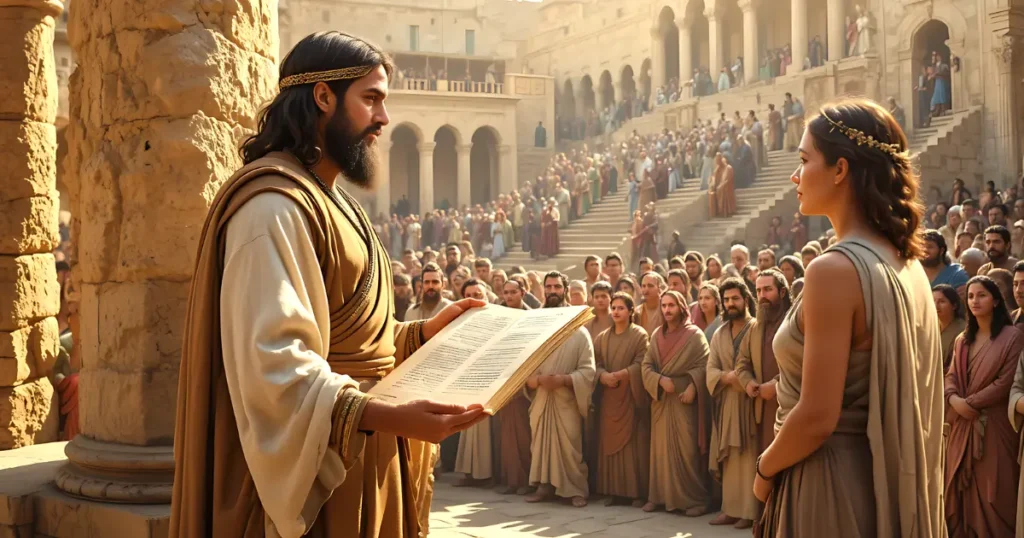
The delegation traveled to Huldah’s home in Jerusalem. The fact that these high ranking leaders sought her out is a testament to the respect she had garnered as a prophet of God.
When they arrived, they presented the situation and asked her to seek the Lord’s guidance regarding the newly discovered Book of the Law. Huldah did not offer a personal opinion or political advice. She talked, rather, as the emissary of God.
Her response demonstrates the responsibility of a true prophet. She faithfully communicated God’s Word, regardless of whether the message would be welcomed.
This is one reason Huldah remains one of the most notable biblical women. Her authority was her relationship with God and her willingness to speak the truth.
God’s Message Through Huldah
The heart of the story of Huldah in the Bible is the message God gave through her.
First, Huldah confirmed that the Book of the Law was authentic. The warnings and covenant requirements recorded in the scroll were truly God’s Word. This confirmation was crucial because it validated the reforms Josiah was about to begin.
Second, she announced that judgment would eventually come upon Judah because the people had repeatedly abandoned God and worshiped idols. The covenant curses of the Law would not be ignored forever.
Yet Huldah’s message also contained hope.
Because Josiah had humbled himself before God, listened to His Word, and repented, he would not witness the coming destruction. God would have mercy on him in his lifetime.
This prophecy helped shape the king’s response. Josiah started a huge reform, tearing down idols, restoring true worship, and leading the people in a revival of their covenant with God.
When readers ask, What did Huldah do in the Bible?, the answer is clear. She confirmed God’s Word, delivered God’s message, and helped guide a national spiritual renewal.
Her influence reminds us that one faithful servant can make a lasting difference. Like Mary, Mary Magdalene, and Mary of Bethany, Huldah shows that God often works through faithful women who are willing to listen, trust, and obey. Her story remains one of the most powerful examples of spiritual courage and biblical leadership found among the women of Scripture.
Why Did King Josiah Consult Huldah Instead of Jeremiah?
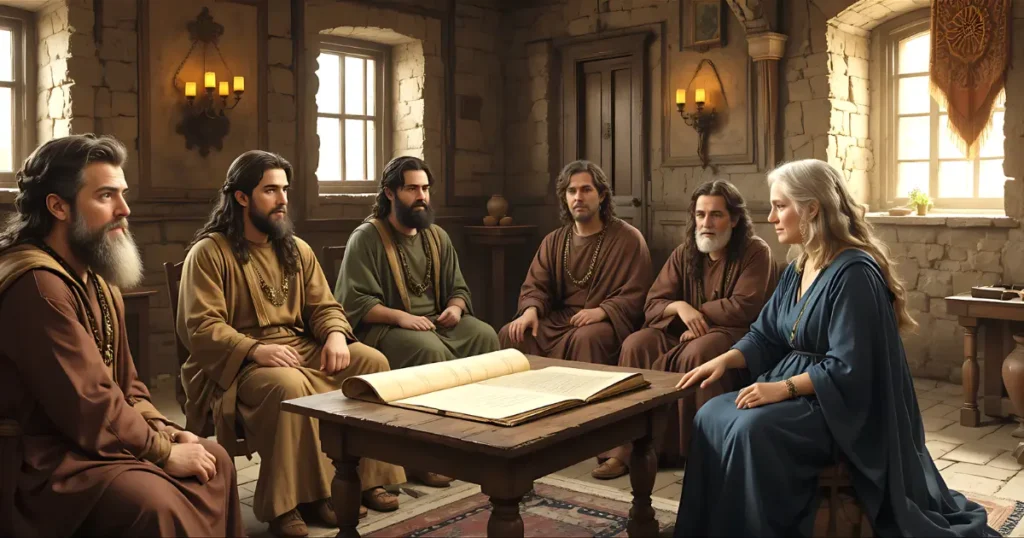
One of the most interesting questions in the Bible’s account of Huldah is this: why did King Josiah consult Huldah when the prophet Jeremiah was also active at the time?
The Bible does not give a direct explanation, but the historical setting provides several reasonable answers. Understanding why Huldah, rather than Jeremiah, is chosen helps us appreciate Huldah’s respected position and the important role women prophets played in God’s plan.
First, it is important to note that Jeremiah’s ministry had already begun around the thirteenth year of Josiah’s reign (Jeremiah 1:2). This means Jeremiah was serving as a prophet when the Book of the Law was discovered. But when Josiah’s officials sought advice from God, they were referred to Huldah, not Jeremiah.
One possible explanation is accessibility. Huldah resided in Jerusalem, in the Second Quarter of the city. She might have been the most readily available prophet, as the king’s officials were already in Jerusalem on the temple-restoration project.
Another factor may have been her established reputation. The fact that high-level authorities would seek her advice is a strong indication that she was known as a reliable prophetess. When people ask why King Josiah consulted Huldah, the simplest answer may be that she had already earned the confidence of Judah’s religious and political leaders through her faithful ministry.
Some scholars also point out that Scripture presents no rivalry between Huldah and Jeremiah. God often talked through more than one prophet at a time. Seeking Huldah’s counsel did not diminish Jeremiah’s ministry. Instead, it demonstrated that God used different servants to accomplish different purposes.
This event also reveals something important about female spiritual leadership in Scripture. Because she was a woman, they never questioned Huldah’s authority. She had sent her word to the ambassadors of the king, for it was of God. Her role stands alongside other faithful women whom God used in significant ways, including Anna the prophetess, who recognized the Messiah in the temple, Esther, who courageously helped save her people, and Elizabeth, whose faith played an important role in the birth narrative of John the Baptist.
Ultimately, why did King Josiah consult Huldah? Scripture does not provide every detail, but it clearly shows that Huldah was a recognized prophet of God whose wisdom, discernment, and faithfulness made her a trusted voice during a crucial moment in Judah’s history. Her tale is a reminder that God calls and empowers people for His purposes and that He often uses those whom others might overlook.
Huldah’s Prophecy Explained Verse by Verse
Huldah’s message is one of the most important prophetic declarations in the Old Testament. When King Josiah’s officials came to her with the newly discovered Book of the Law, she did more than answer a question. And she reaffirmed God’s Word, warned of impending judgment, and provided a message of hope.
To understand what Huldah prophesied, we need to examine her message carefully. This section provides Huldah’s prophecy explained in its historical and theological context, helping us see why her words mattered then and why they still matter today.
The Warning of Judgment
The first part of Huldah’s prophecy addressed Judah’s long history of rebellion against God.
In 2 Kings 22:16–17 (NIV), Huldah declared:
“This is what the Lord says: I am going to bring disaster on this place and its people, according to everything written in the book the king of Judah has read.”
It was a serious message. The people of Judah had broken God’s covenant for generations. They had embraced idolatry, ignored God’s commands, and turned away from true worship.
This is the primary answer to the question of what Huldah prophesied. She announced that the covenant warnings recorded in the Law would eventually be fulfilled.
This was not a random punishment. It was God’s judgment against persistent disobedience. Throughout Scripture, God repeatedly warned His people that covenant blessings came through obedience, while covenant curses followed rebellion.
The prophecy also reveals an important truth about divine judgment. God is patient, but He does not ignore sin forever. God will not abandon His people in the future exile of Judah. It would happen because the nation continually rejected His guidance and mercy.
For modern believers, this section of Huldah’s message highlights the seriousness of God’s holiness and the importance of taking His Word seriously.
Confirmation of the Book of the Law
A second key element of the prophecy involved Huldah and the Book of the Law.
The king’s officials did not simply want a prediction about the future. They wanted to know whether the scroll discovered during the temple repairs truly carried God’s authority.
Huldah’s response confirmed that it did.
By affirming the Law’s message, she effectively recognized the scroll as God’s revealed truth. This emboldened Josiah to act on what he had heard.
This aspect of Huldah’s prophecy demonstrates a crucial biblical principle: God’s people are called to submit to His Word rather than reshape it according to cultural preferences.
The rediscovered Law became the foundation for Judah’s reform movement because Huldah confirmed its authenticity and authority.
This moment also shows the relevance of biblical authority. Huldah did not give a new revelation that contradicted Scripture. Instead, her prophetic ministry pointed people back to God’s existing Word.
That pattern remains important for the Christian faith today. Genuine spiritual leadership always directs people toward God’s truth rather than away from it.
Like Hannah, whose prayer reflected trust in God’s sovereignty, Huldah demonstrated deep confidence in the authority of God’s Word.
God’s Promise to Josiah
Although much of Huldah’s message focused on judgment, it also contained a remarkable promise.
In 2 Kings 22:19–20 (NIV), God spoke concerning Josiah:
“Because your heart was responsive and you humbled yourself before the Lord when you heard what I have spoken against this place and its people… your eyes will not see all the disaster I am going to bring on this place.”
Here we see both God’s mercy and justice working together.
The nation’s future judgment would still come, but Josiah’s personal response mattered. When he heard God’s Word, he humbled himself, repented, and turned to the Lord.
Because of that response, God showed him compassion.
This portion of Huldah’s prophecy teaches an important lesson about divine mercy. While God judges sin, He also responds graciously to genuine repentance and humility.
Josiah could not erase the nation’s past sins, but he could choose how he personally responded to God’s Word. His example reminds believers that repentance is never wasted.
The theological significance of Huldah’s prophecy reaches beyond her generation. Her teaching reveals God to be both just and merciful. He holds people accountable for sin, yet He welcomes those who turn to Him with humble hearts.
That same pattern appears throughout Scripture, from the faith of Leah in the Old Testament to the ministry of Lydia in the New Testament. God’s people are called to trust His Word, respond with obedience, and rely on His mercy.
Ultimately, what did Huldah prophesy? She proclaimed coming judgment for covenant unfaithfulness, confirmed the authority of God’s Word, and delivered a promise of mercy to a king who humbled himself before the Lord. Her message remains a powerful reminder that God’s truth calls for both reverence and response.
What Was Huldah’s Role in the Bible?
Understanding what Huldah’s role in the Bible was helps us appreciate why her story remains so important today. Huldah was significantly more than a historical character mentioned in passing. She was God’s mouthpiece at a critical point in Judah’s history. Through her prophetic ministry, God confirmed His Word, called a nation to accountability, and helped guide a movement of spiritual renewal.
As a female prophet in the Bible, Huldah demonstrates that God equipped and used women to communicate His truth and influence His people. Her ministry stands as one of the clearest examples of a prophetess in the Old Testament exercising spiritual leadership with wisdom, courage, and faithfulness.
For anyone engaged in serious Bible study, Huldah’s life reveals how God works through faithful servants who are willing to speak His message without compromise.
Messenger of God’s Word
The primary role of Huldah was to serve as a messenger of God’s Word.
When King Josiah’s officials arrived seeking guidance, Huldah did not offer personal advice or political opinions. She did not carry her message, but God’s. This is one of the marks that distinguish a legitimate prophet.
The prophets throughout Scripture were given the task of conveying God’s truth to His people. Huldah fulfilled that calling sincerely. She confirmed the authenticity of the Book of the Law and explained God’s response to Judah’s covenant violations.
Her ministry teaches believers that spiritual power is not in personal influence or rank but in faithfully preaching God’s Word.
Guardian of Covenant Faithfulness
Another important answer to the question, “What was Huldah’s role in the Bible?” is that she acted as a guardian of covenant faithfulness.
The Book of the Law revealed how far Judah had strayed from God’s commandments. Huldah’s message reinforced the seriousness of the nation’s disobedience while affirming the authority of Scripture.
By confirming God’s covenant requirements, she helped preserve the nation’s spiritual foundation. Her prophecy reminded the people that God’s promises and cautions were still in effect.
In this sense, Huldah served as a protector of biblical truth during a time of widespread compromise. Her ministry pointed people back to God’s Word rather than allowing them to continue following cultural and religious practices that contradicted His commands.
This same commitment to faithfulness can be seen in other respected women of Scripture, including Naomi, whose trust in God influenced future generations, and Priscilla, who helped teach biblical truth in the early church.
Spiritual Leader During Reform
Huldah also played a significant leadership role during Judah’s reform movement.
After hearing her prophecy, Josiah moved forward with major religious reforms. Idols were taken away, covenant worship was reinstated, and the people were exhorted to obedience. While Josiah led these reforms as king, Huldah’s prophetic message helped provide the spiritual foundation that made them possible.
Her influence reached beyond private conversations. Her speech shaped national policy and religious practice, setting the course for the kingdom’s future.
This makes Huldah one of the most influential women of Scripture during the Old Testament period. Like Martha, Huldah followed Christ sincerely and used her abilities to serve God’s goals in her generation.
Ultimately, what was Huldah’s role in the Bible? She was God’s messenger, a guardian of covenant faithfulness, and a spiritual leader whose words helped shape one of Judah’s greatest periods of reform. Her example continues to motivate believers to appreciate God’s Word, pursue obedience, and lead with wisdom and integrity.
Why Huldah’s Ministry Matters in Biblical History
When readers ask, “Why is Huldah important in the Bible?” The answer goes far beyond her brief appearance in Scripture. Huldah played a key role in one of the most significant events in Judah’s history. Through her prophetic ministry, God confirmed His Word, strengthened a national reform movement, and reminded His people of their covenant responsibilities.
The lasting impact of her ministry explains the theological significance of Huldah and why she remains an important figure among the great biblical women of Scripture.
Huldah and Biblical Authority
One reason why Huldah is important in the Bible is her connection to the authority of God’s Word.
The temple restorations uncovered the Book of the Law, but the nation did not yet know its significance. The nation needed confirmation that the scroll truly represented God’s revealed truth. Through Huldah, God provided that confirmation.
This connection between Huldah and biblical authority is one of the most important themes in her story. Huldah did not draw attention to herself but pointed the nation back to Scripture. Her message reinforced the truth that God’s Word stands above kings, priests, and political leaders.
This is a strong lesson for Christians living today. Spiritual renewal begins when people return to God’s Word and permit it to shape their beliefs and actions.
Huldah and Covenant Renewal
Another reason for Huldah’s theological significance is her role in covenant renewal.
The rediscovered Law revealed that Judah had repeatedly broken its covenant with God. Huldah’s prophecy exposed the seriousness of that failure while also encouraging a proper response.
The connection between Huldah and covenant renewal is evident in the reforms that followed her message. Josiah gathered the people, renewed the covenant, removed idols, and restored proper worship. While the king led these reforms, Huldah’s prophetic confirmation helped make them possible.
Her ministry reminds believers that genuine revival is not based on emotions or public enthusiasm. It begins with a return to the truth of God and a determination to obey that truth.
A Model of Female Spiritual Leadership
Huldah’s story also highlights the value of faithful female leadership within God’s plan.
At a time of national crisis, leaders sought her wisdom because they recognized God’s hand upon her life. Her ministry reveals that spiritual power is not a function of social class or position but of loyalty and obedience.
Like Rahab, whose faith changed her future, and Rachel, whose story helped shape Israel’s history, Huldah played an important role in God’s unfolding plan. Her example also looks ahead to women such as Phoebe, who served the early church steadfastly.
Influence on Future Generations
Huldah’s influence extended far beyond her lifetime. By confirming God’s Word and supporting reform, she helped preserve the nation’s spiritual heritage for future generations.
Her story continues to teach important lessons about Scripture, repentance, leadership, and obedience. More than two millennia later, believers study her example because it reveals eternal truths about God’s character and his desire for covenantal loyalty.
So why does Huldah matter in the Bible? She helped guide a nation back to God’s Word, strengthened a movement of reform, and demonstrated how one faithful servant can have a lasting impact on biblical history. Her ministry is a strong testament to the significance of truth, courage, and unshakable loyalty to God.
Huldah Compared With Other Women Prophets in Scripture
The Bible records several women whom God used in remarkable ways. While their ministries differed, each played an important role in God’s plan. Studying women prophets in the Bible helps us understand the variety of ways God worked through faithful women across different periods of biblical history.
Among the most well known women prophets in Scripture are Huldah, Deborah, Miriam, and Anna. Though serving in different settings, each was committed to God’s call.
Huldah and Deborah
When discussing Huldah compared to Deborah, several similarities stand out.
Both women served as spiritual leaders and earned the respect of those around them. Both were spokesmen of God’s truth at important points in Israel’s history, and both influenced national events by their fidelity.
But their ministries were very different.
Deborah served as both a prophet and a judge during a time of military conflict (Judges 4–5). She helped lead Israel toward victory over its enemies and provided national leadership.
Huldah, on the other hand, ministered during a period of religious reform rather than warfare. Her primary role was to confirm God’s Word and explain His message concerning Judah’s future. Deborah helped guide a nation through battle, while Huldah helped guide a nation back to covenant faithfulness.
Huldah and Miriam
Another valuable comparison is between Huldah and Miriam.
Miriam is first introduced during Israel’s exodus from Egypt. She is called a prophet and is remembered for leading the people in worship after God provided them through the Red Sea (Exodus 15:20–21).
Both women were prophetic voices who helped strengthen God’s people. Both are examples of women whom God entrusted with significant responsibilities.
The difference lies in their historical settings. Miriam ministered during the formation of the nation of Israel, while Huldah served centuries later when the nation needed spiritual renewal. Miriam’s ministry was one of God’s deliverances. Huldah’s ministry was one of warning of imminent judgment and calling people back to obedience.
Huldah and Anna
The comparison between Huldah and Anna connects the Old and New Testaments.
Anna appears in Luke 2 as a prophetess who determined Jesus as the promised Messiah when He was brought to the temple. Like Huldah, she was known for her devotion to God and her spiritual insight.
Both women faithfully proclaimed God’s truth to others. Both were respected for their godly character. But their messages spoke of various eras in salvation history. Huldah led people back to the covenant of God in a time of reform; Anna led them to the coming of the Savior.
Together, these women illustrate an important truth for the Christian faith. God has used faithful women throughout Scripture to help encourage, guide, and empower His people. Although their roles and circumstances differed, Huldah, Deborah, Miriam, and Anna each made a unique contribution to God’s redemptive story and remain inspiring examples of obedience and faithfulness today.
Timeline of Huldah’s Ministry
Understanding the timeline of Huldah’s ministry helps place her story within the larger history of Judah’s spiritual renewal. Although her recorded ministry was brief, it occurred during a pivotal moment that changed the direction of the nation.
| Event | What Happened |
|---|---|
| Temple Repairs Begin | King Josiah ordered the restoration of the temple after years of neglect and spiritual decline. |
| Book of the Law Discovered | During the restoration work, the high priest Hilkiah found the Book of the Law in the temple. |
| The Law Is Read to Josiah | When the king heard the words of the Law, he realized how far Judah had departed from God’s covenant. |
| Officials Visit Huldah | Josiah sent a delegation to seek God’s guidance concerning the newly discovered scroll. |
| Prophecy Delivered | Huldah confirmed the authority of the Book of the Law and delivered God’s message of judgment and mercy. |
| Josiah’s Reforms Begin | The king removed idols, restored proper worship, and led a national return to God’s commands. |
| Covenant Renewal Ceremony | The people publicly renewed their covenant with God and committed themselves to obedience. |
This timeline of Huldah’s ministry shows how God used one faithful prophetess at exactly the right moment. Her speech was a pivotal moment in the history of Judah and strengthened one of the greatest reform movements documented among the women of the Bible.
Like Sarah, Rebekah, and Ruth, Huldah’s influence extended beyond her generation. Her faithfulness shaped events that would have an enduring impact upon God’s people and their covenant bond with Him.
Lessons From Huldah in the Bible
The account of Huldah is more than a historical record. It is a practical guide for believers who want to live faithfully in challenging times. The lessons from Huldah in the Bible remain relevant because they are rooted in timeless truths about courage, obedience, wisdom, and trust in God.
When we ask, “What can we learn from Huldah?” we discover principles that apply not only to spiritual leaders but also to every Christian who seeks to honor God in daily life.
Courage to Speak the Truth
One of the greatest lessons from Huldah in the Bible is the fortitude to share God’s truth even when the message is hard.
Huldah’s prophecy included a warning of future judgment against Judah. It would have been easier to dilute the message or avoid hard truths. Instead, she faithfully delivered what God had shown.
This kind of courage is still needed today. Christians are pressured not to speak about biblical truth when it contradicts public opinion. Huldah reminds us that faithfulness sometimes requires difficult conversations.
Like Shiphrah, the Hebrew midwife who feared God more than Pharaoh, Huldah chose obedience over personal comfort. Both women demonstrate that true courage begins with reverence for God.
Faithfulness to God’s Word
Another lesson we may learn from Huldah is the necessity of being anchored in Scripture.
Huldah’s ministry centered on God’s Word. She confirmed the authority of the Book of the Law and directed the nation back to its covenant obligations.
Her example teaches believers to evaluate life through the lens of Scripture rather than culture, tradition, or personal preference. Spiritual growth occurs when we let God’s Word influence our decisions, attitudes, and priorities.
This lesson is especially crucial in a world of conflicting voices. The life of Huldah is an example of how lasting wisdom comes from listening to God first.
For Christian women serving in ministry, teaching, mentoring, or family leadership, her example demonstrates the importance of grounding every influence in biblical truth.
Wisdom in Leadership
Huldah also offers important lessons about leadership.
Her influence did not come from political power, wealth, or public recognition. People respected her because she was wise, discerning, and had integrity.
Leadership is not about control. It is about helping others move closer to God’s purposes.
Whether leading a ministry, raising children, mentoring younger believers, or serving within the church, Christians can learn from Huldah’s example. She listened carefully, spoke wisely, and led others to God’s truth.
Like Salome, who faithfully followed Jesus, Huldah used her position to support God’s work rather than promote herself.
Remaining Obedient in Difficult Times
Perhaps the greatest lesson is to remain faithful during difficult times.
Huldah lived in a time of widespread spiritual decay. Idolatry was common, God’s covenant had been neglected, and the nation faced serious consequences for its disobedience.
Yet she remained faithful.
This response is one of the most important answers to the question, “What lessons can Christians take from Huldah?” We cannot always control the culture around us, but we can choose how we respond to it.
Like Bilhah, whose life unfolded amid difficult family circumstances, Huldah continued to serve God faithfully despite the challenges of her generation.
Her story reminds believers that obedience is not dependent on favorable circumstances. Faithfulness matters, regardless of whether the culture supports or resists God’s truth.
Ultimately, the lessons from Huldah in the Bible point us toward a life of courage, wisdom, and steadfast dedication to God’s Word. Her example shows that one faithful person may make a difference when they choose obedience over compromise. That truth remains just as relevant for Christians today as it was during the days of King Josiah.
Huldah in the Bible Summary
This summary of Huldah in the Bible highlights the life of a woman whose influence extended far beyond the few verses that mention her. For readers still asking who Huldah was in the Bible, she was a prophetess in Jerusalem during the reign of King Josiah. God used her to confirm the Book of the Law after it was discovered during temple repairs and to deliver a prophetic message concerning Judah’s future.
Huldah’s ministry came at a crucial moment in the history of the Kingdom of Judah. Her message helped inspire a national return to God’s Word, supported Josiah’s reform efforts, and reinforced the importance of covenant faithfulness. Through her courage, wisdom, and obedience, she became one of the most respected female spiritual leaders in Scripture.
Her lasting legacy is found not only in her prophecy but also in her example. Huldah proved that God can use faithful servants to affect families, communities, and even entire nations. Her story continues to encourage believers to trust God’s Word, seek His wisdom, and remain faithful in every season of life.
If you enjoyed learning about Huldah, be sure to read more studies from our Women of the Bible collection, where you’ll discover the stories and lessons of many other faithful women throughout Scripture, including several Women in the New Testament whose lives point us to God’s faithfulness and grace.
Frequently Asked Questions About Huldah
Q1: Was Huldah the only prophetess in the Bible?
No. If you’re asking whether Huldah was the only prophetess in the Bible, the answer is no. Scripture refers to numerous women who were prophetesses: Miriam, Deborah, Anna, and Huldah. Each served in a different period of biblical history, but God used all of them to communicate His truth and encourage His people.
Q2: What Was Huldah’s Message From God?
Huldah delivered two main messages. First, she warned that Judah would face judgment because the people had repeatedly broken God’s covenant and turned to idolatry. Second, she informed King Josiah that since he humbled himself before God, he would not see the imminent tragedy in his own lifetime (2 Kings 22:15-20).
Q3: How did Huldah become a prophet?
The Bible does not explain exactly how Huldah became a prophet. Scripture simply presents her as an established prophetess whom people already respected and trusted. Like previous biblical prophets, her authority derived from God calling her and God’s choice that he communicate to the people through her. Her story reminds us that God equips people for the roles He gives them.
Q4: Why is Huldah’s story encouraging for Christian women today?
Huldah’s story encourages Christian women by showing that faithfulness matters more than status or recognition. She was not a queen or a political leader, yet God used her power to change a whole country. Her example reminds women that wisdom, obedience, and a deep commitment to God’s Word can make a lasting difference wherever God has placed them.
Q5: What can church leaders learn from Huldah’s example?
Church leaders can learn the importance of speaking truth with courage and humility. Huldah did not alter God’s message to make it more acceptable. She faithfully told what God had shown. Her example reminds leaders to pursue biblical truth, develop spiritual discernment, and lead others to obedience rather than popularity.
Q6: How does Huldah’s story show the importance of knowing God’s word?
Huldah’s story highlights the power of Scripture in bringing spiritual renewal. When the people rediscovered the Book of the Law, she confirmed its authority and pointed the nation back to God’s commands. She testified that real revival occurs when people read, comprehend, and respond to the Word of God. Knowing Scripture helps believers recognize truth, grow in faith, and remain faithful to God in every season of life.